AFRICAN GEMSTONES
Africa is home to an extraordinary variety of coloured gemstones and natural diamonds, shaped by ancient geological processes and discovered across some of the continent’s most remarkable landscapes. With generations of in house gemological knowledge behind us, we bring a deep understanding of these exceptional stones, from their origins to their natural character. Our products are sourced from across Africa, connecting each piece to the rich gemstone heritage of the continent.
EXPLORE THEIR ORIGINS
Select a gemstone to highlight the African countries associated with it.
AMETHYST
Amethyst is associated with important African gemstone sources in Zambia and South Africa.
AFRICAN SOURCES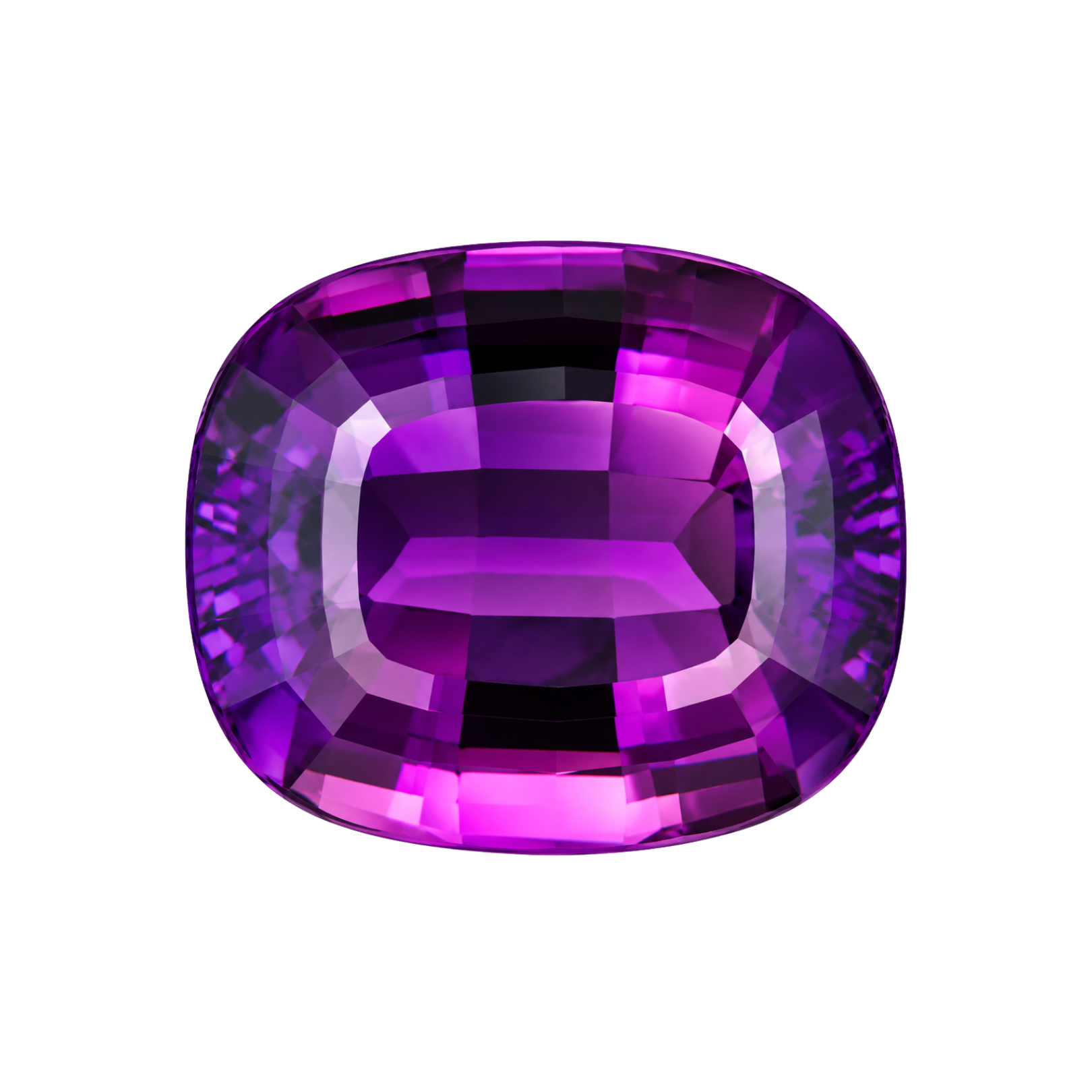
AMETHYST
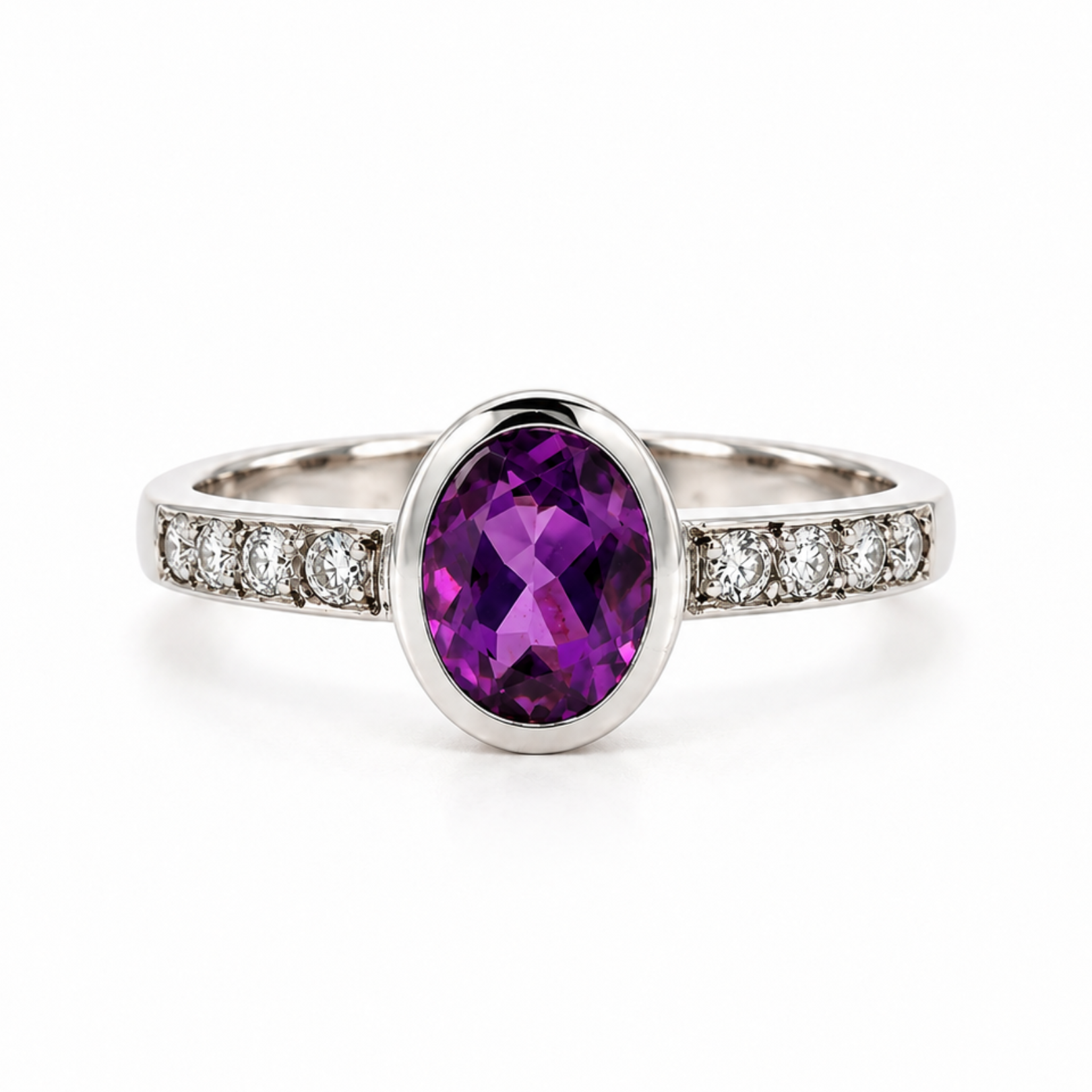
Amethyst has been admired for centuries, once commanding prices comparable to ruby and emerald before large deposits were discovered in the 19th century. Its name comes from the ancient Greek amethystos, meaning “not drunk”, reflecting the belief that it could protect against intoxication. The most prized variety of quartz, amethyst can also form spectacular crystals and enormous geodes lined with naturally purple crystal points.
African sources include Zambia and South Africa.
AQUAMARINE
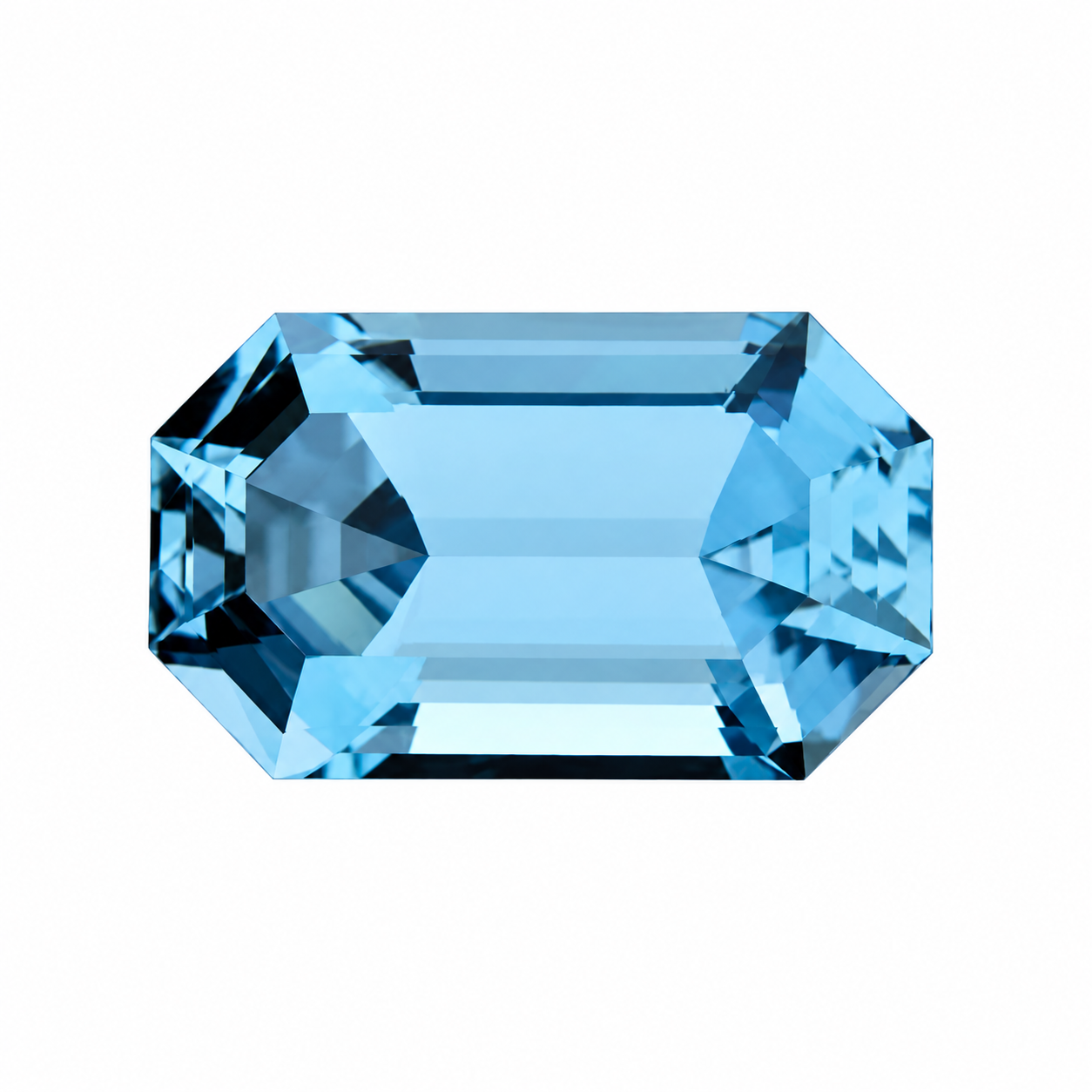
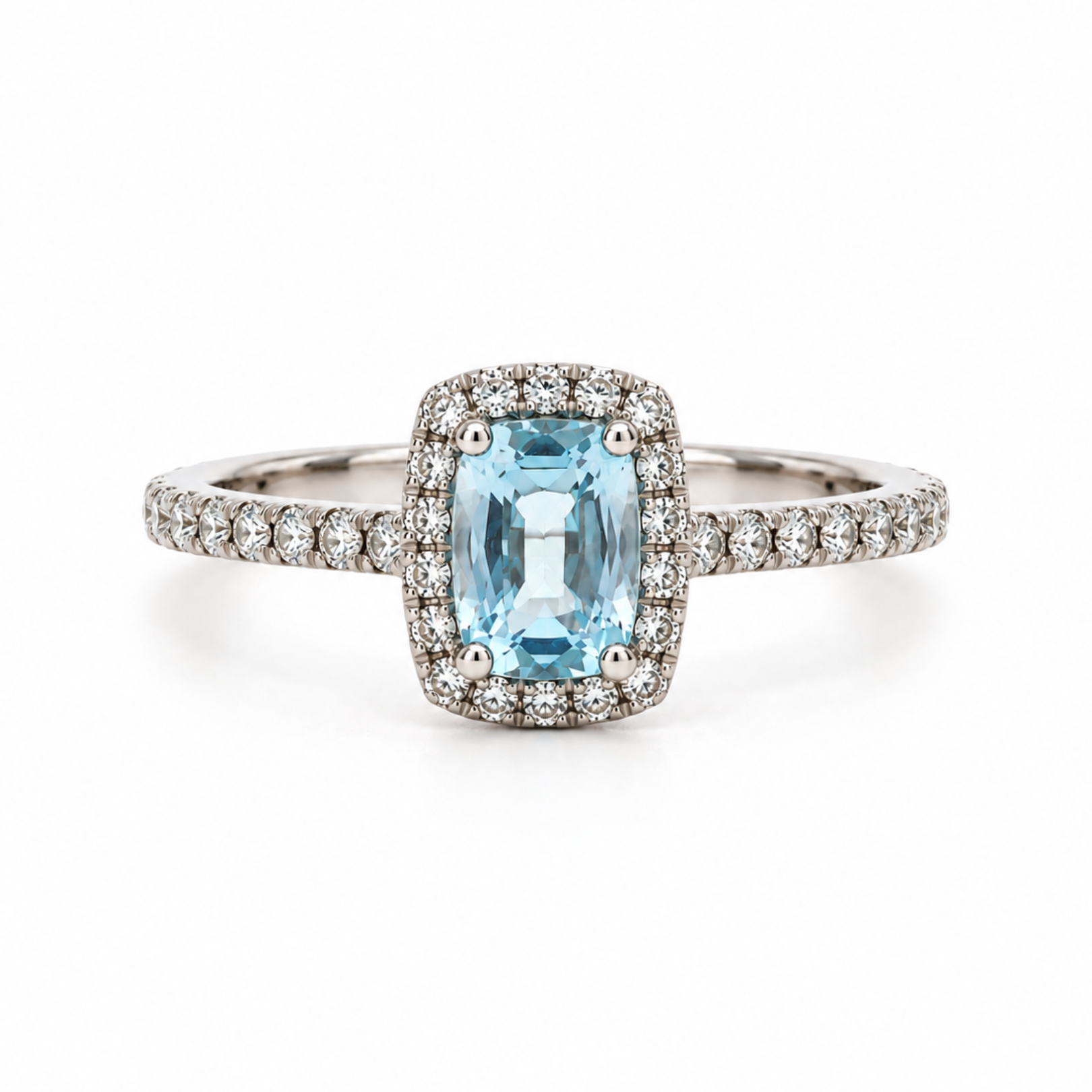
Aquamarine takes its name from the Latin for seawater, a fitting reference to a gemstone that has been associated with the ocean for centuries. Traditionally carried by sailors as a symbol of protection and safe passage, it was also believed to bring happiness to marriage. Aquamarine can form in exceptionally large natural crystals, allowing it to be fashioned into impressive gemstones while retaining the fresh, luminous character for which it is so admired.
African sources include Mozambique, Nigeria and Madagascar.
CITRINE
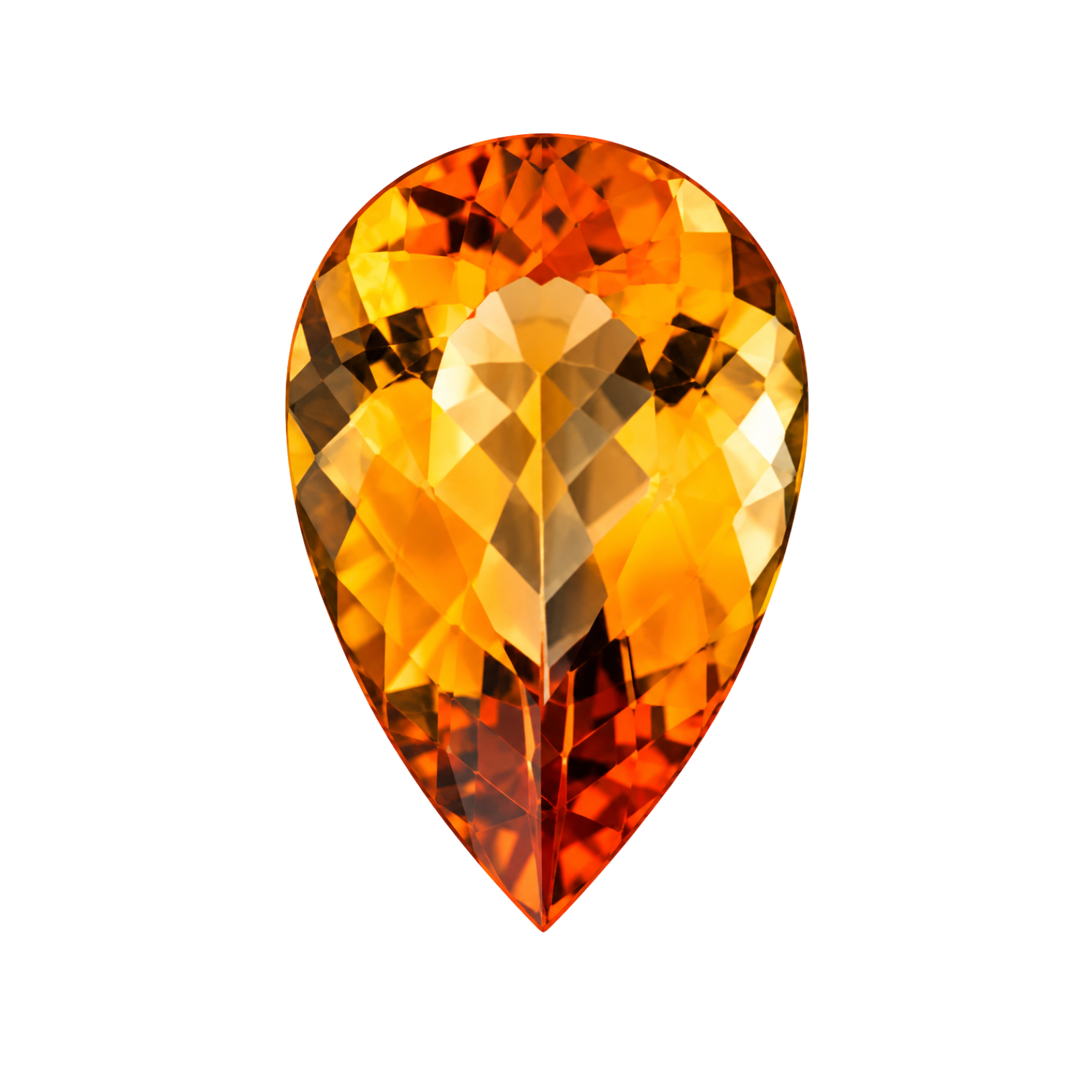
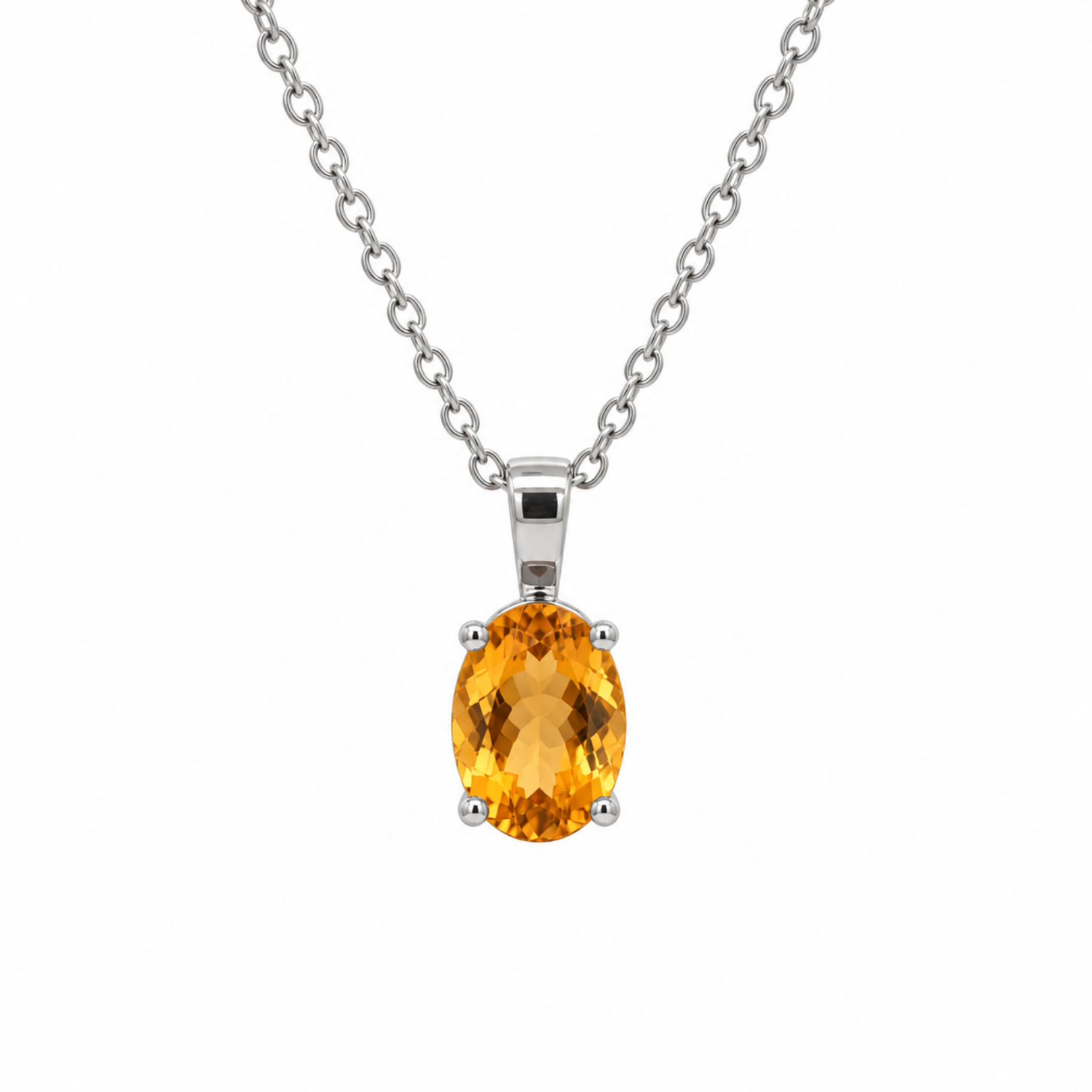
Citrine is the golden-yellow to orange member of the quartz family, admired for its warm, sunlit appearance. Natural citrine is surprisingly rare, and before modern gemology its rich colour often caused it to be mistaken for topaz. Its distinctive hues are created by traces of iron within the crystal, while its combination of brilliance and transparency has made it one of the most recognised yellow gemstones.
African sources include South Africa and Zambia.
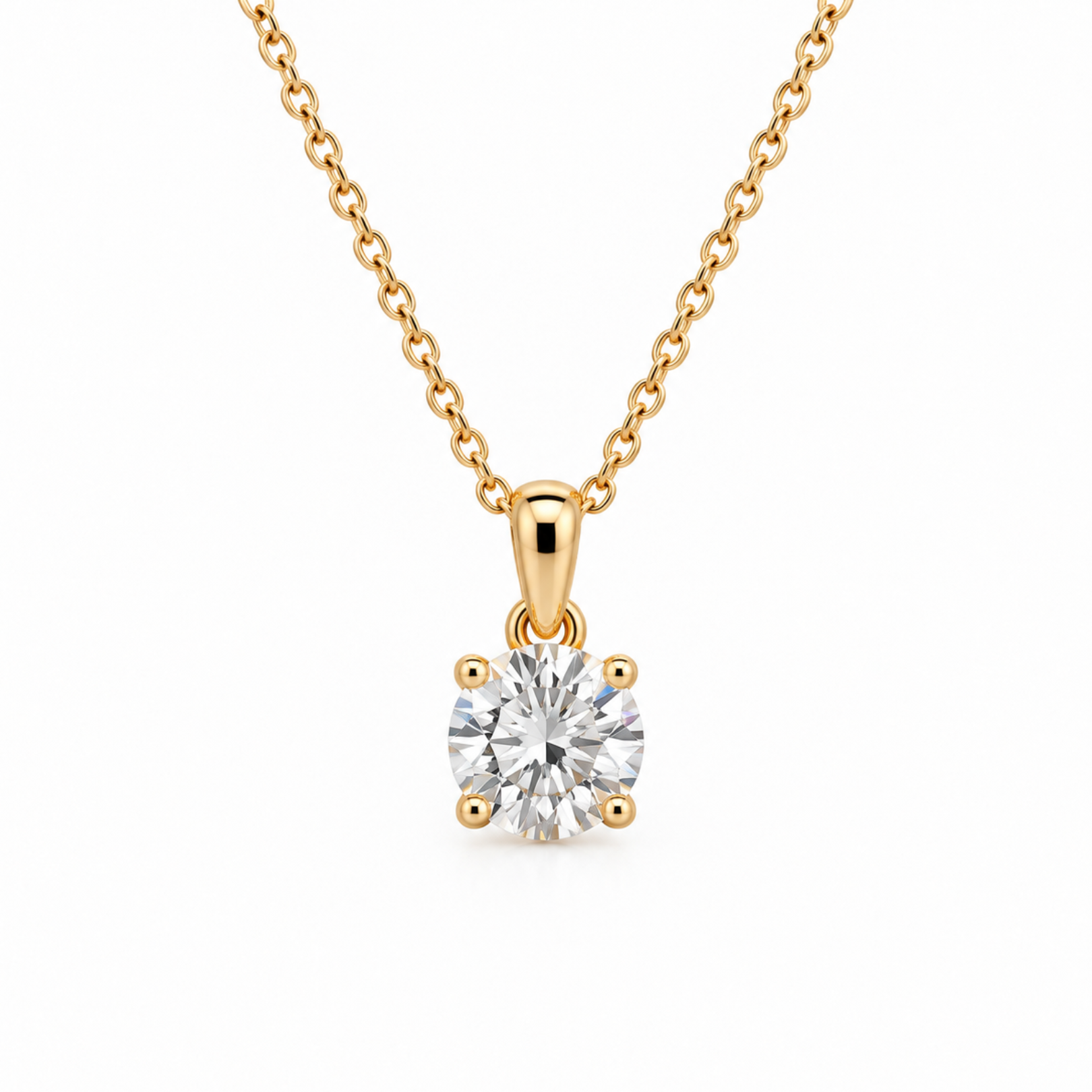
DIAMONDS
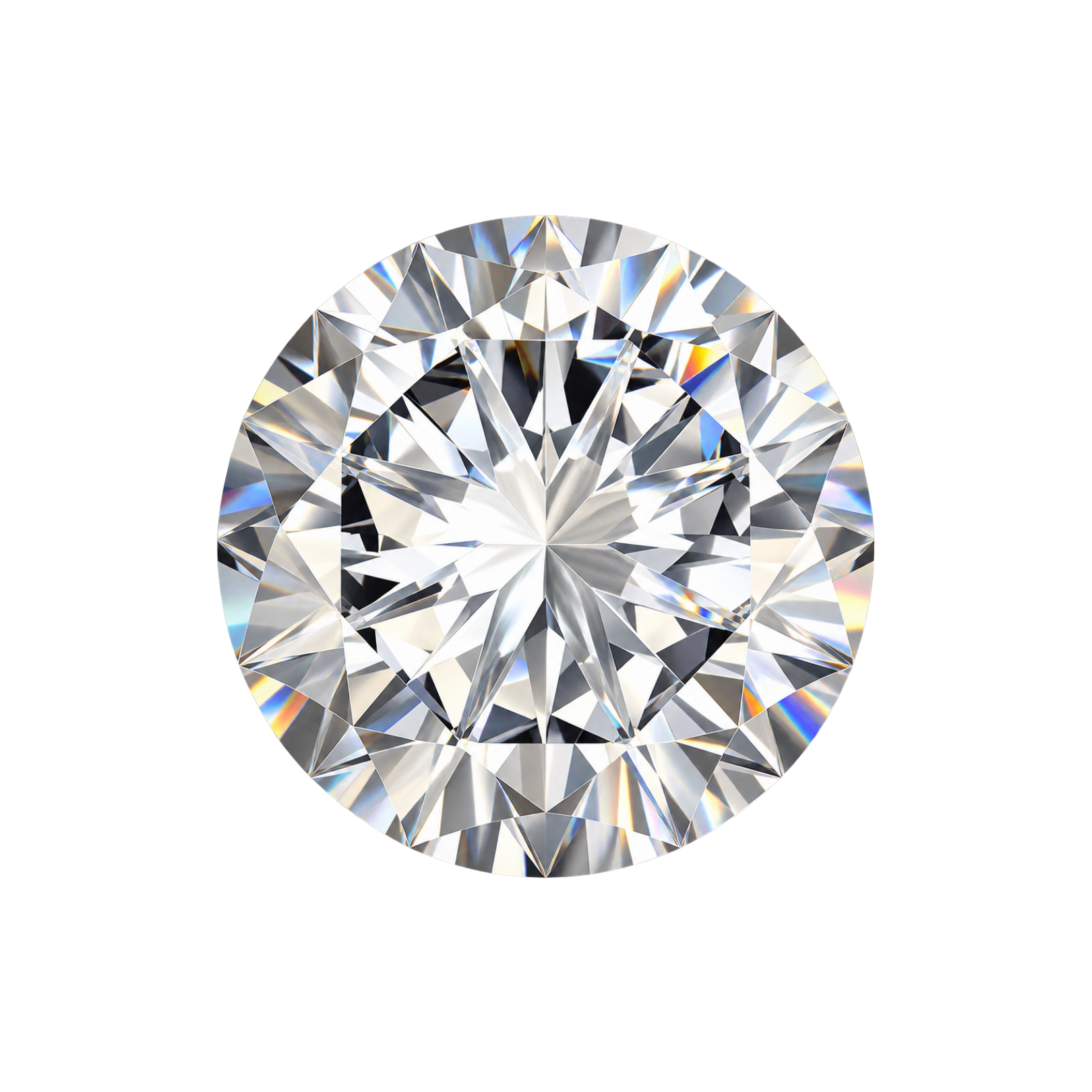
Natural diamonds are among the Earth’s most remarkable creations, formed under immense heat and pressure deep within the planet. Most began their journey more than a billion years ago, long before reaching the surface. Their rarity is equally extraordinary: in many diamond mines, only around one part diamond is recovered for every million parts of surrounding rock, making each natural diamond a truly exceptional discovery.
African sources include Botswana, South Africa, Angola, Namibia and Sierra Leone.
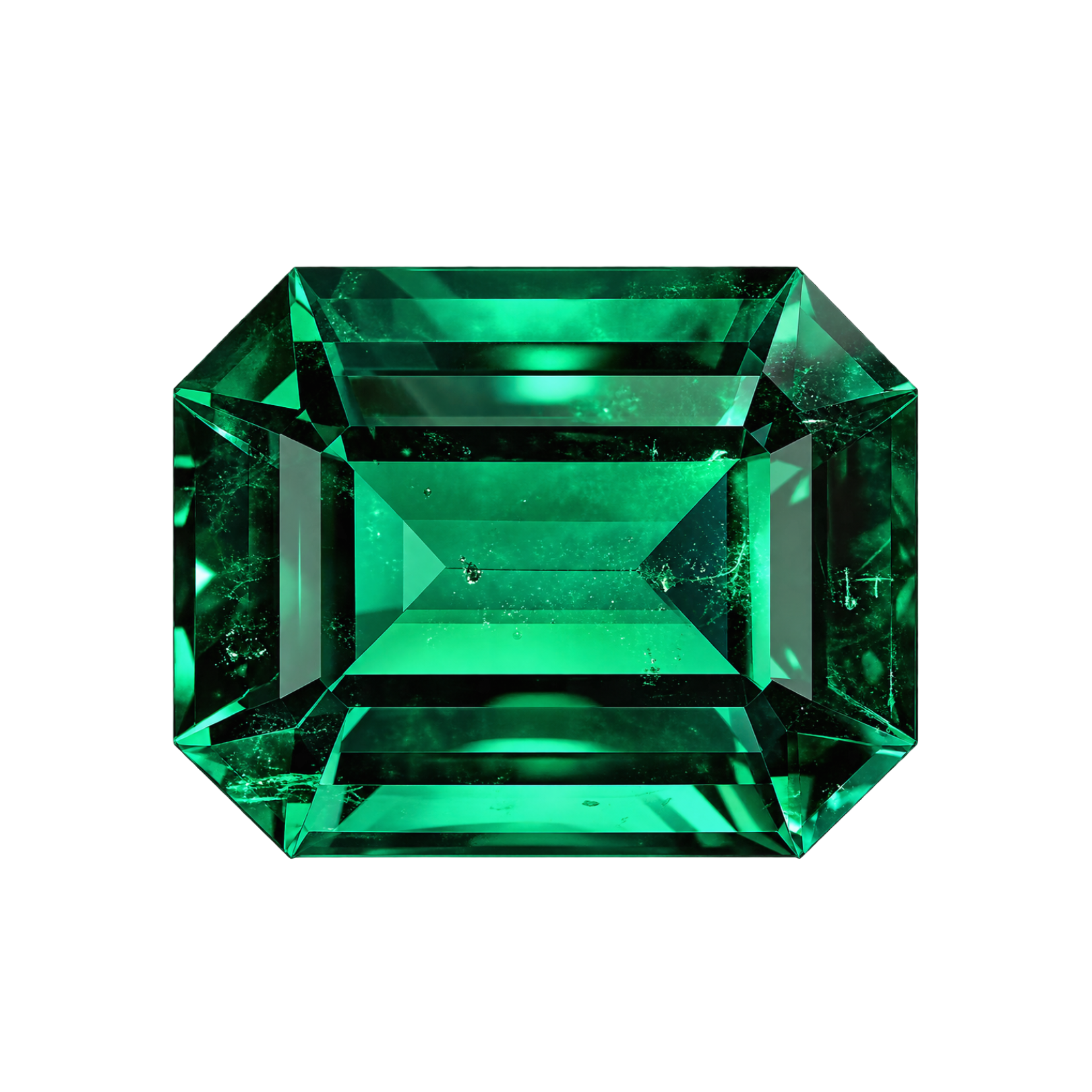
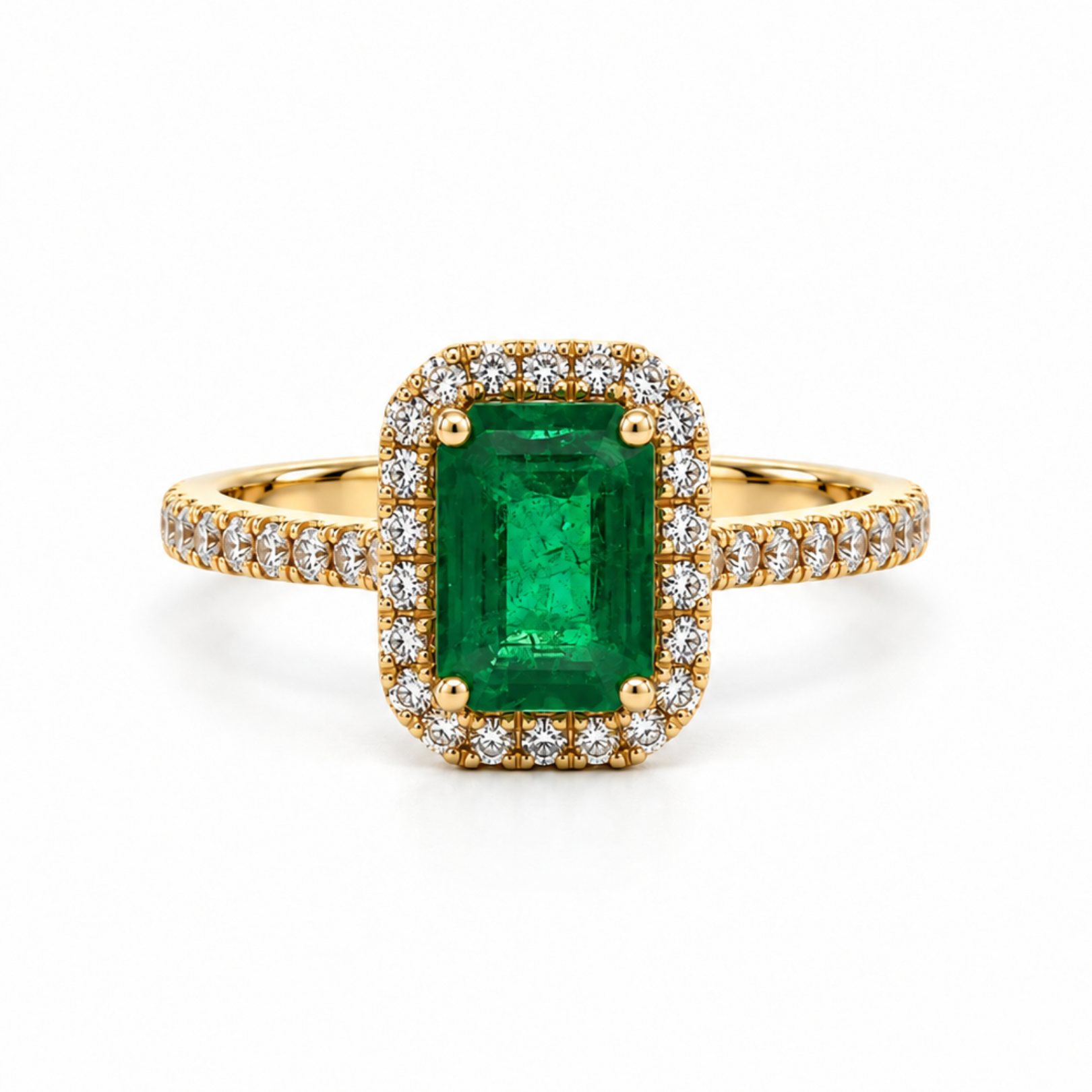
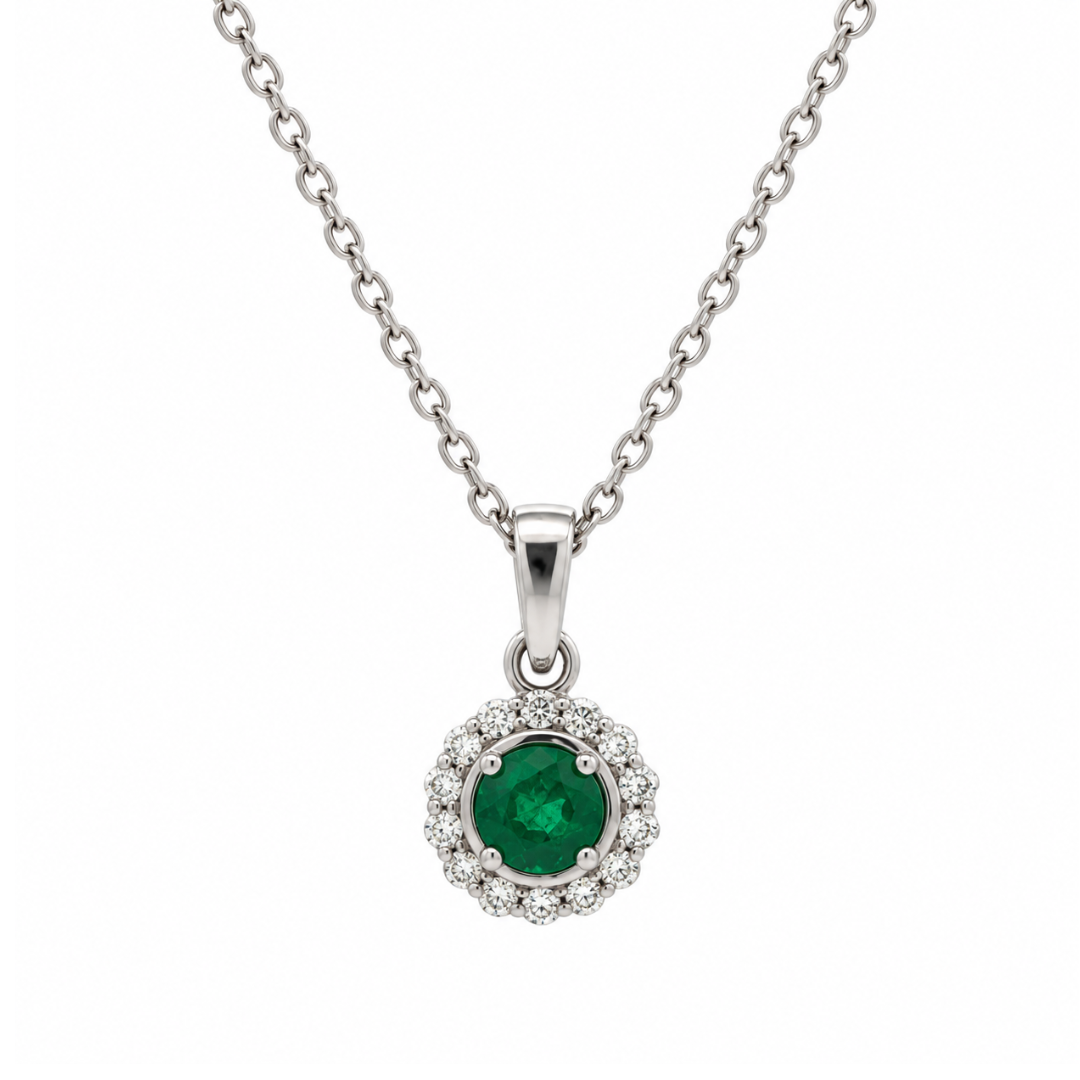
EMERALD
Emerald has captivated people for thousands of years, with the earliest known mines dating back to ancient Egypt and the gemstone famously treasured by Cleopatra. Some emeralds are themselves billions of years old. Their natural inclusions are often described as a jardin, meaning “garden”, creating distinctive internal patterns that give each stone its own character and a fascinating record of its natural formation.
African sources include Zambia, Ethiopia and Zimbabwe.
GARNET
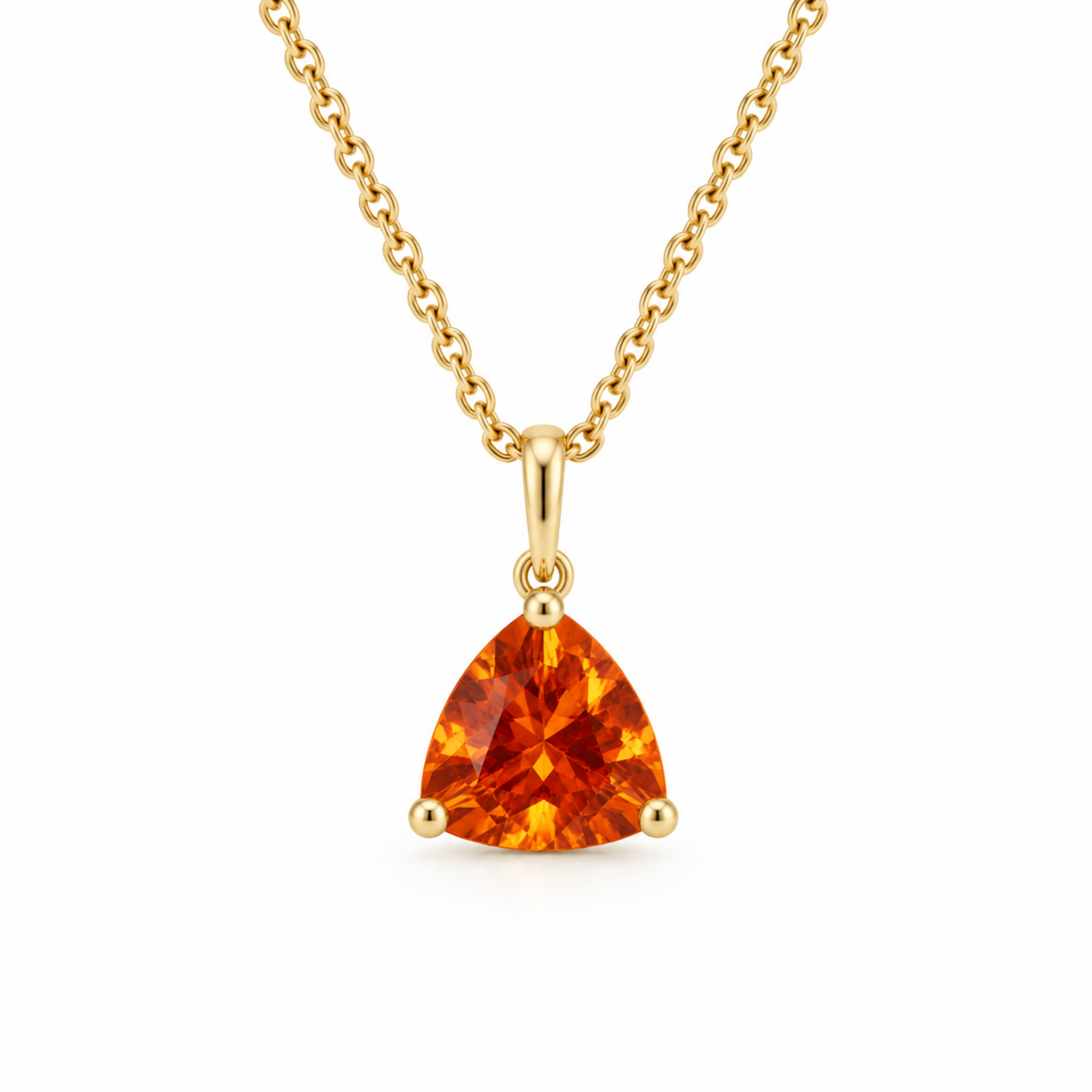
Garnet is not a single gemstone but a diverse family of closely related minerals, found in an extraordinary range of colours. Its story stretches back thousands of years, with garnet jewellery discovered in ancient Egyptian graves dating back more than 5,000 years. From familiar deep reds to vibrant oranges and rare greens, the garnet family offers remarkable variety, with each type possessing its own distinctive character.
African sources include Tanzania, Kenya and Mozambique.
HELIODOR
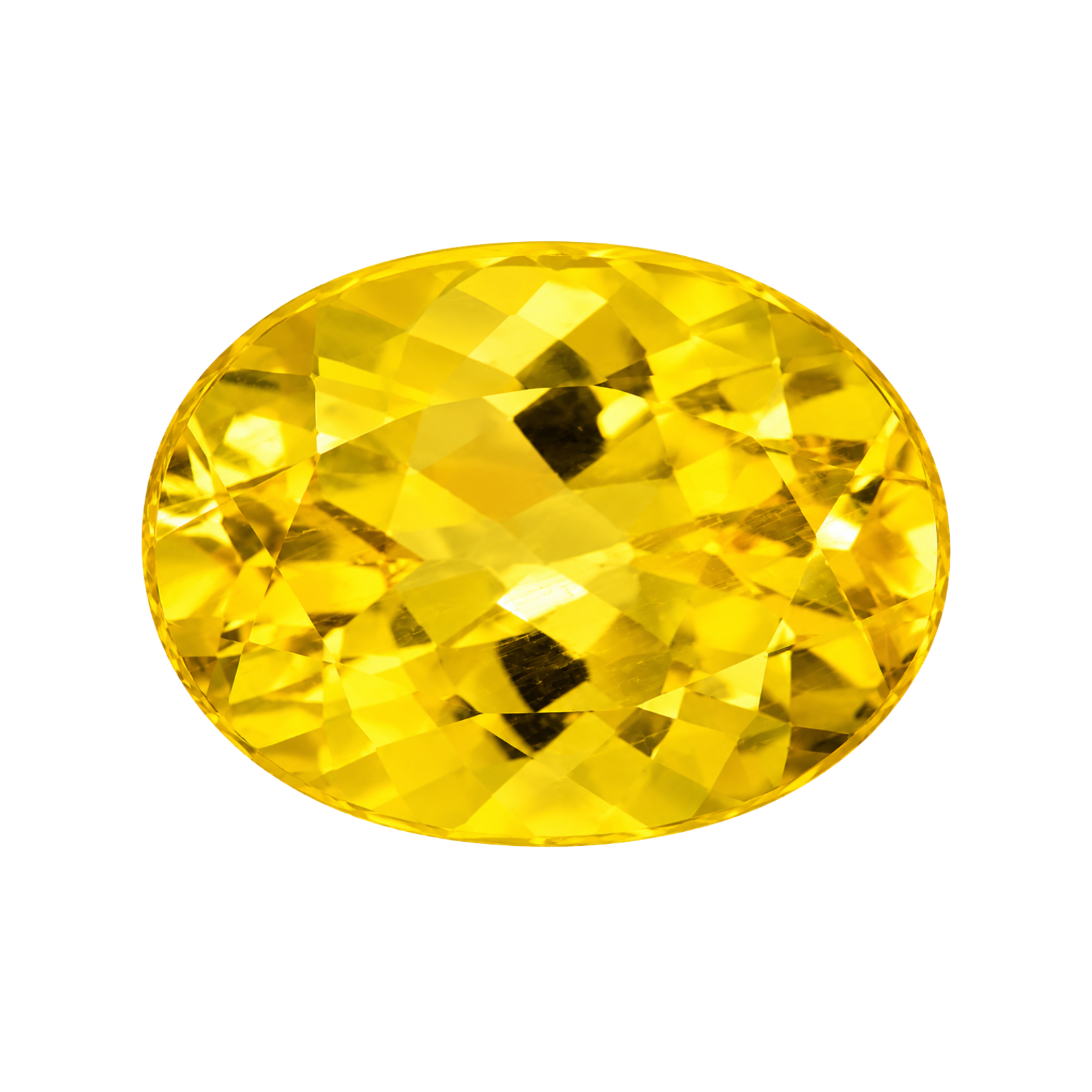
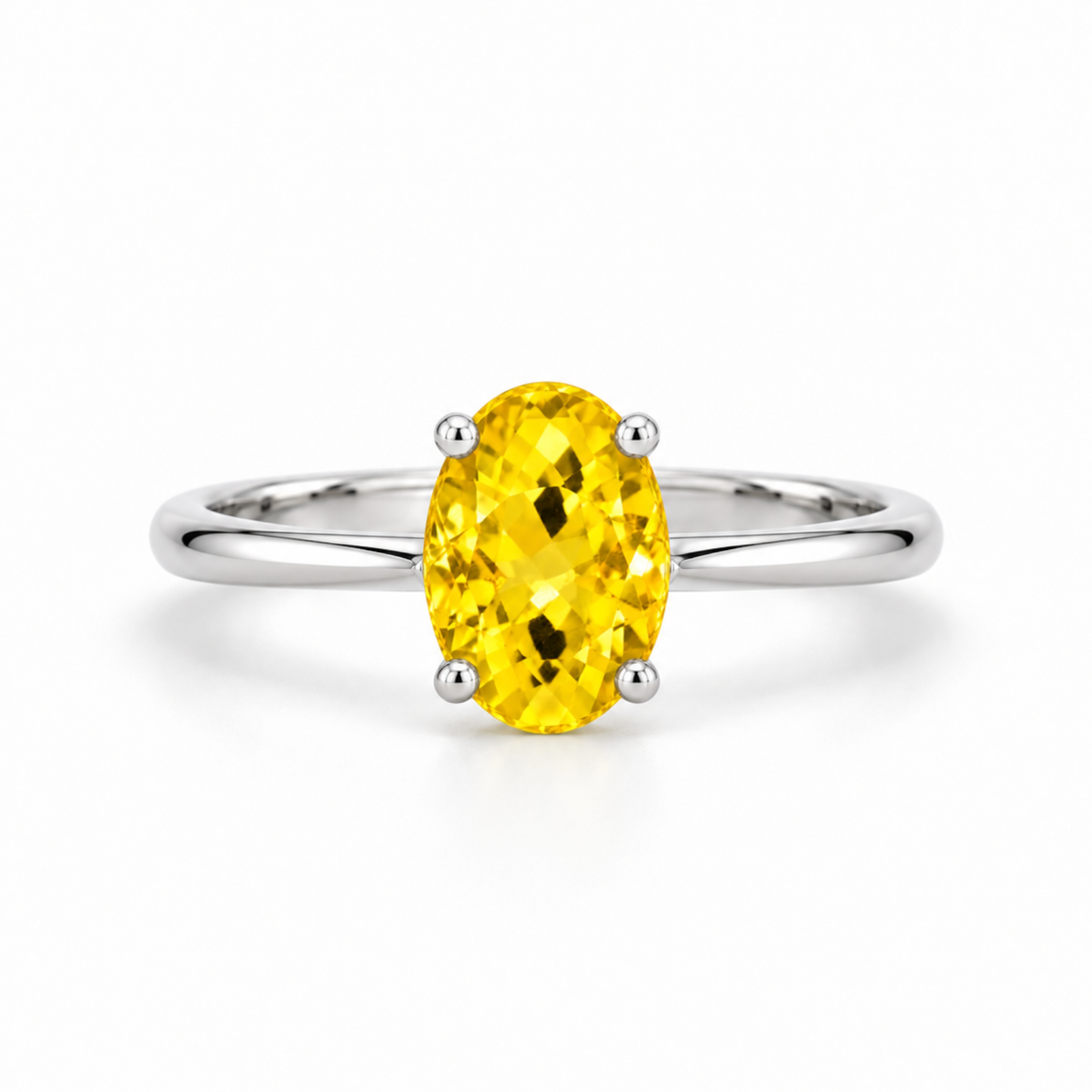
Heliodor is the golden-yellow member of the beryl family, sharing its mineral heritage with emerald, aquamarine and morganite. Its warm colour is created naturally by traces of iron within the crystal. Fine heliodor can form in remarkably large crystals, with exceptional transparency and brilliance. Its name, derived from Greek words meaning “gift of the sun”, beautifully reflects the luminous golden character for which this gemstone is known.
African sources include Nigeria and Namibia.
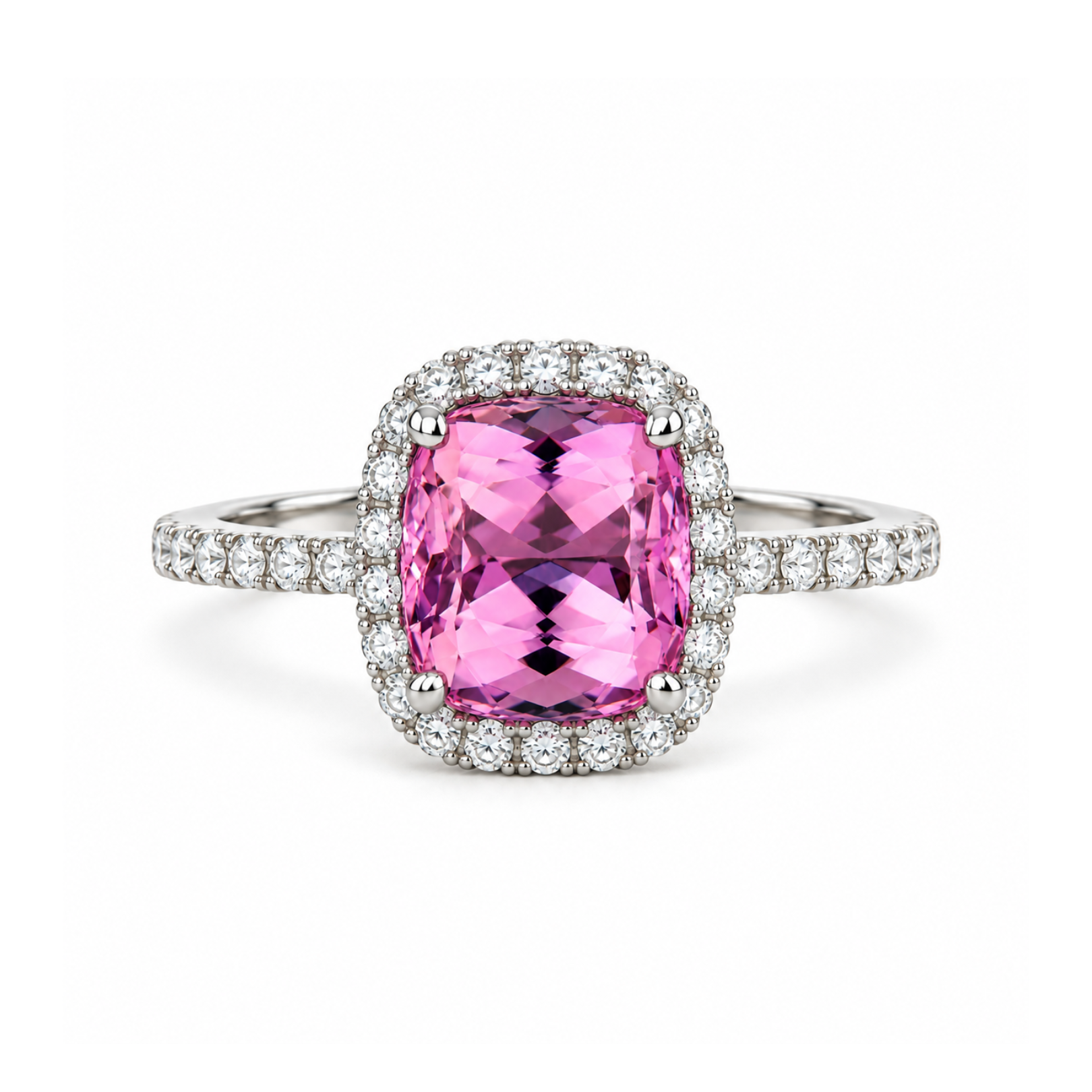
KUNZITE
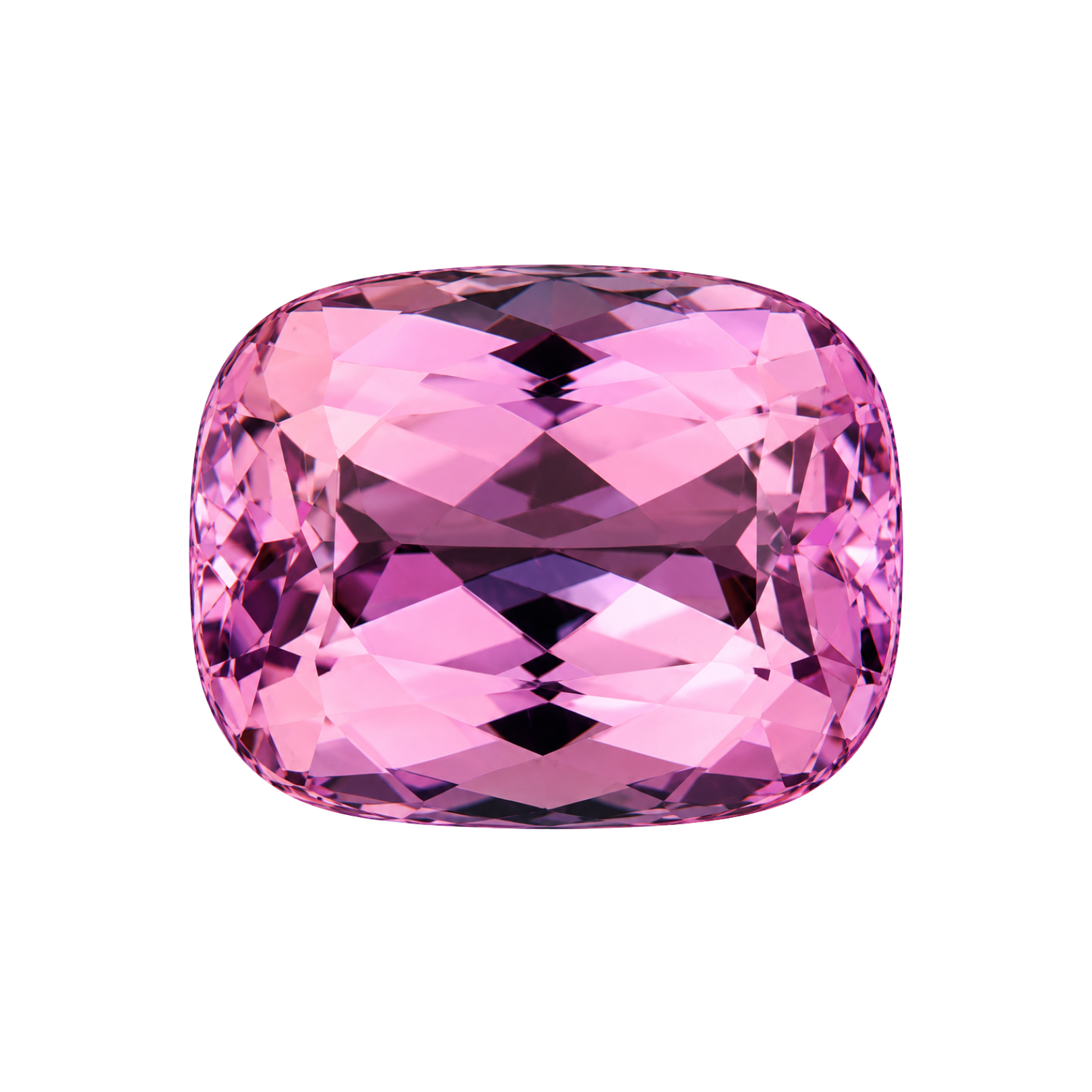
Kunzite is a relatively young addition to the gemstone world, first recognised as a distinct variety of spodumene around 1902. Named after renowned gemologist George Frederick Kunz, its delicate colour is created by traces of manganese. Kunzite crystals can grow to impressive sizes and are often remarkably transparent, allowing their soft pink-to-violet tones and natural brilliance to be beautifully displayed in larger gemstones.
African source: Madagascar.

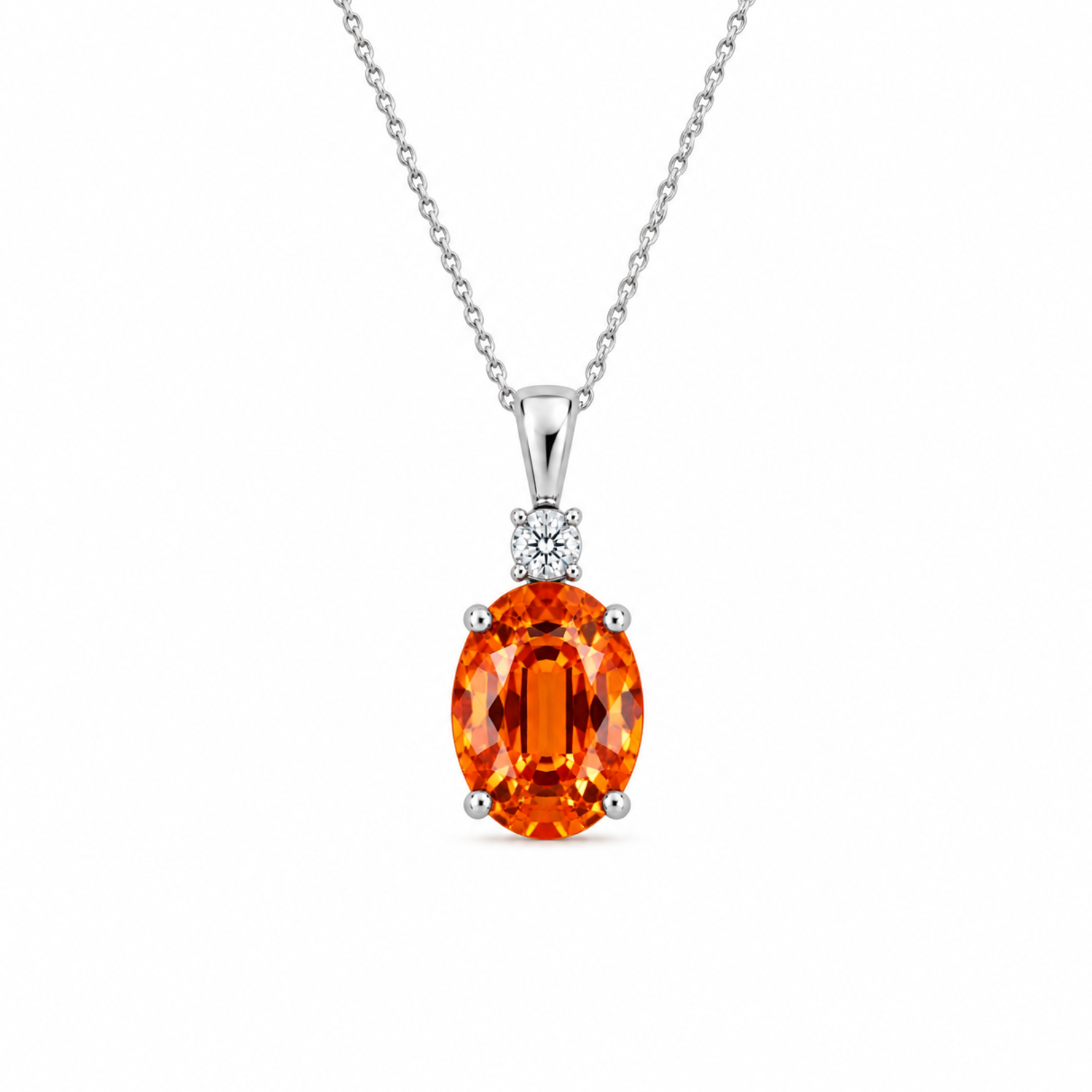
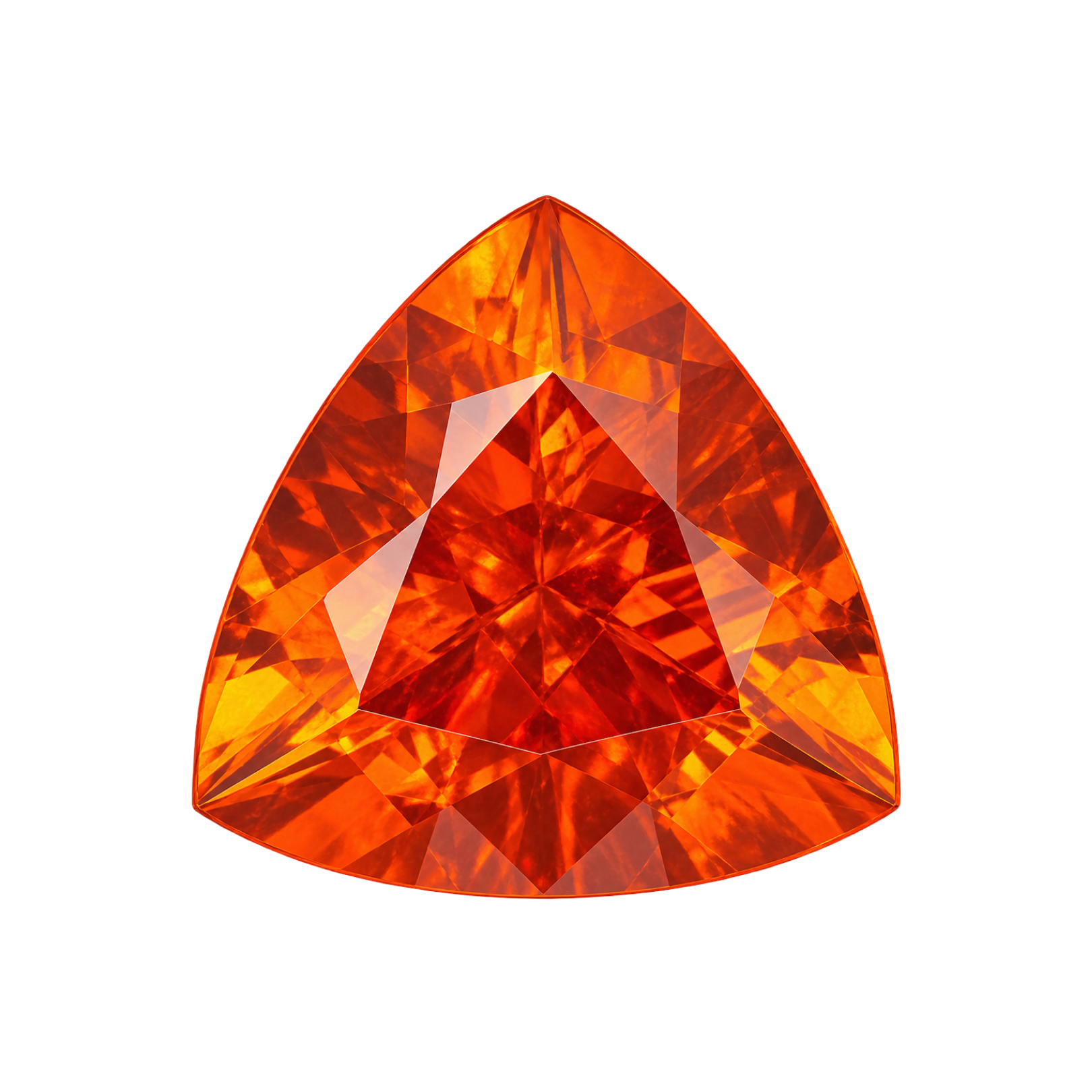
MANDARIN GARNET
Mandarin garnet is a vibrant orange variety of spessartine garnet, celebrated for its intense, fiery colour. Striking material discovered in Namibia in the early 1990s brought this gemstone to international attention and helped establish the trade name “Mandarin garnet”. Its brilliant orange appearance is linked to manganese within the garnet, while important deposits have since also been found elsewhere in Africa, including Nigeria and Tanzania.
African sources include Nigeria, Namibia and Tanzania.
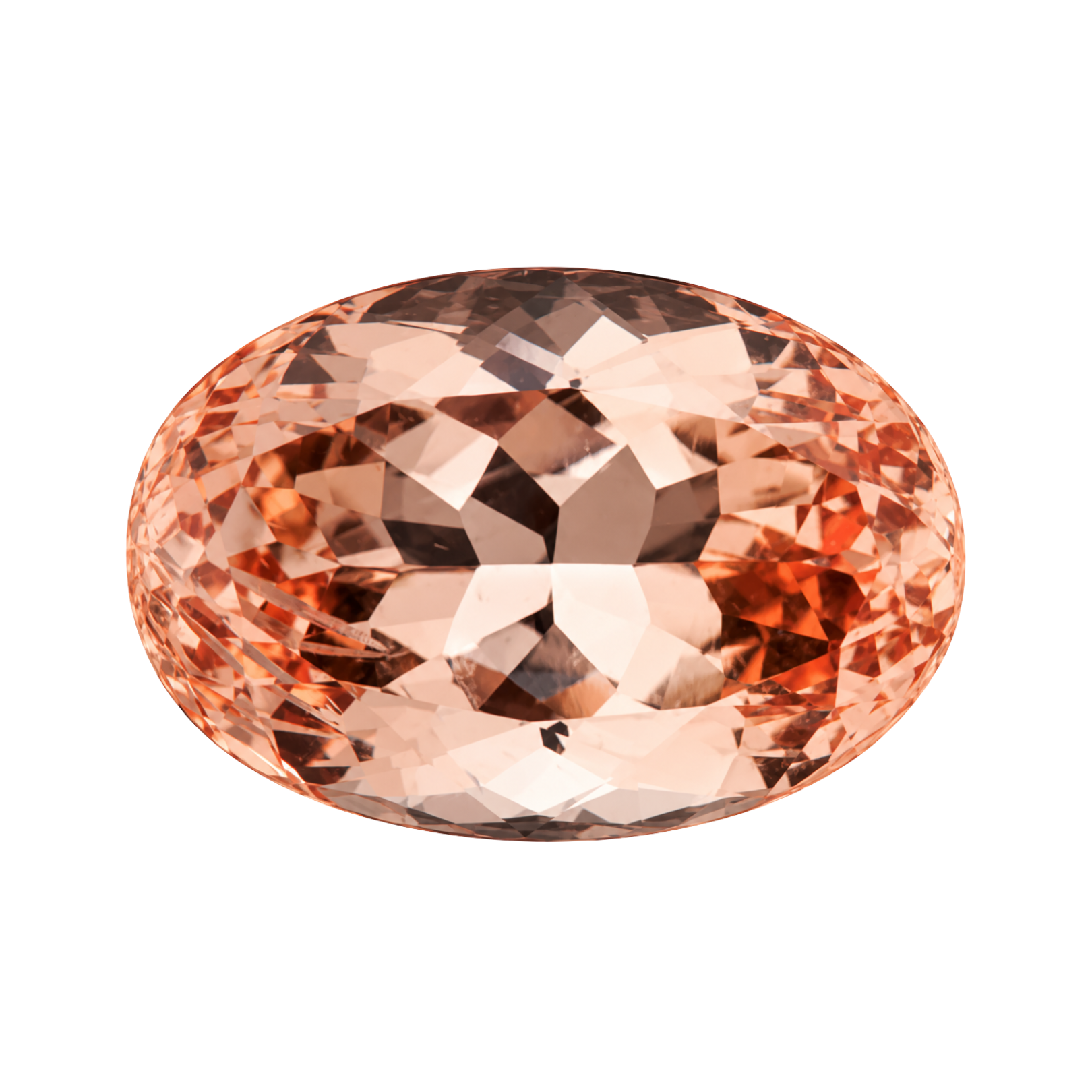
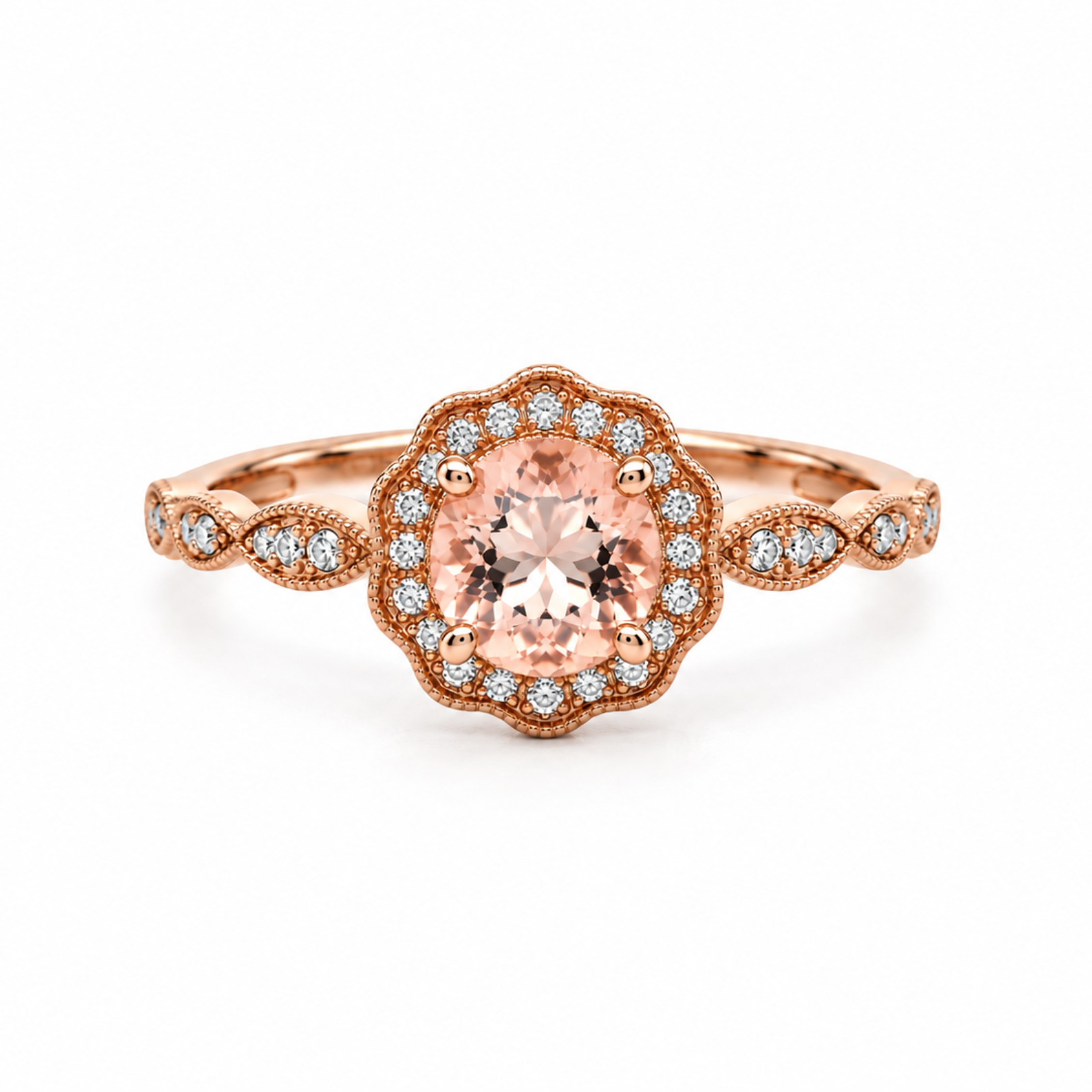
MORGANITE
Morganite is the delicate pink member of the beryl family, sharing its mineral heritage with emerald and aquamarine. Its soft colour is created by traces of manganese, with natural shades ranging from pink to warm salmon. Named after financier and gem enthusiast J.P. Morgan, morganite can form in impressively large crystals, allowing its subtle pastel colour and natural brilliance to be showcased beautifully.
African sources include Madagascar and Mozambique.
OPAL
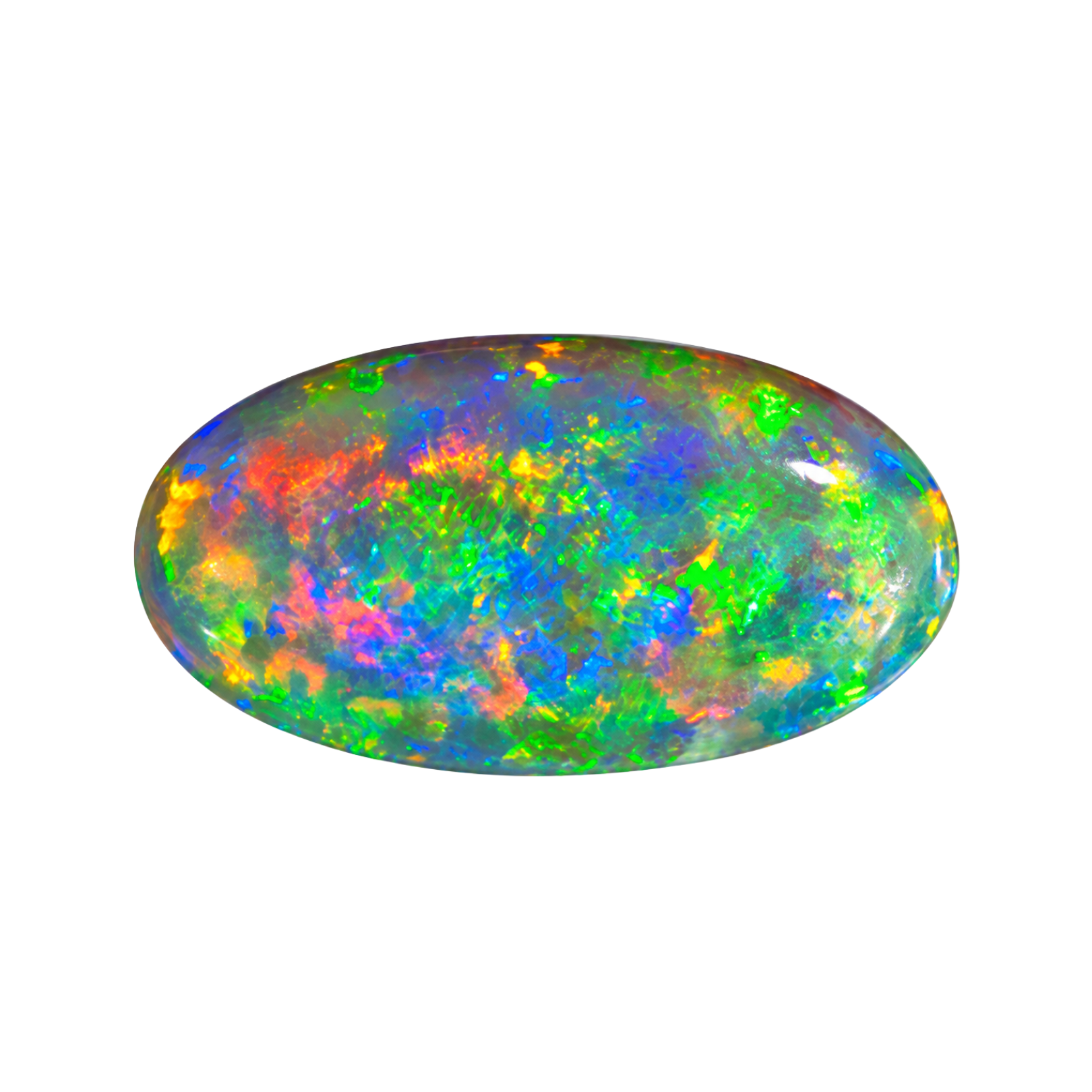
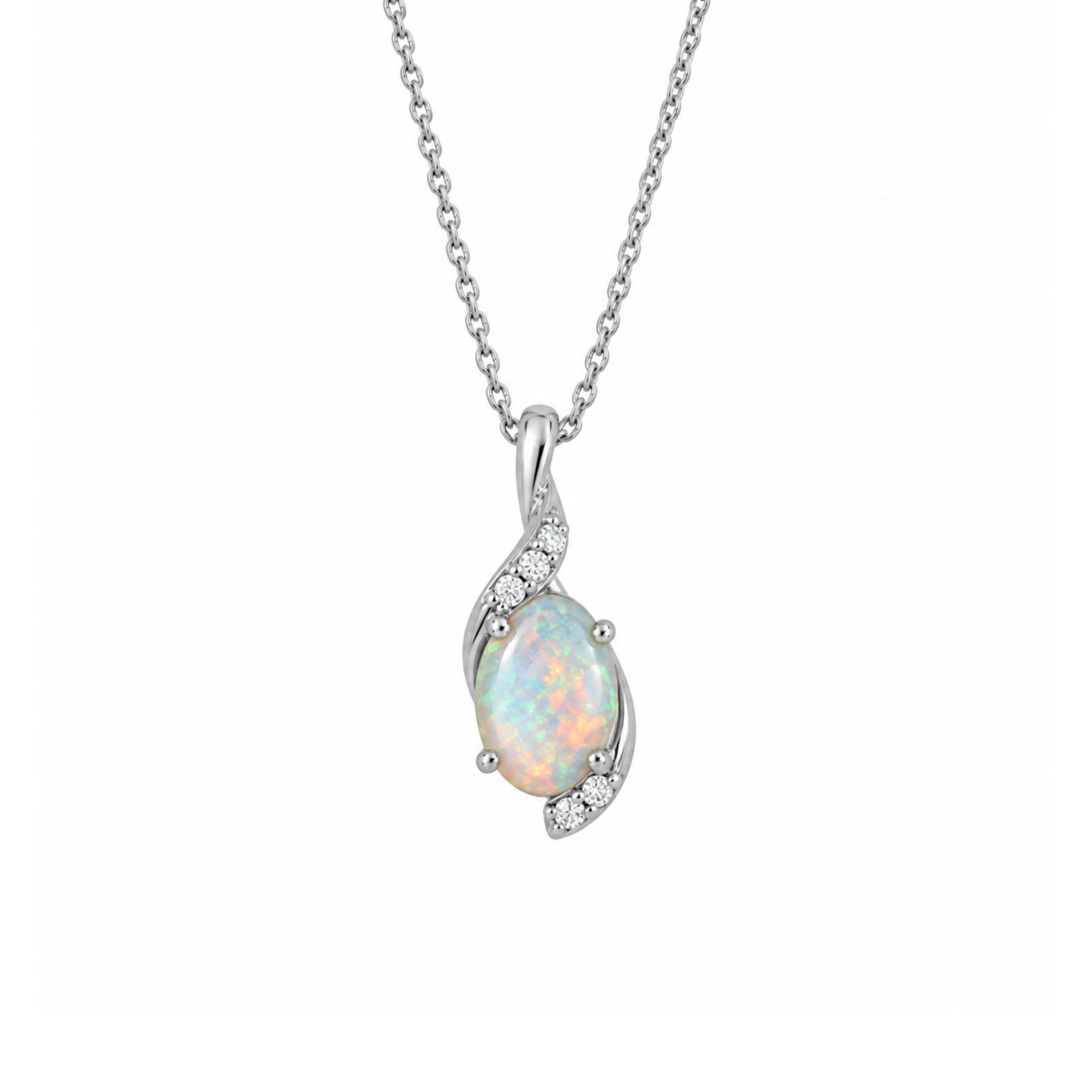
Opal is unlike almost any other gemstone, celebrated for its shifting flashes of colour that can resemble everything from fire to a miniature galaxy. This remarkable play-of-colour is created as light interacts with microscopic silica spheres within the stone. Each opal develops its own unique arrangement of colour and pattern, meaning no two are exactly alike and giving every gemstone a distinctly individual character.
African source: Ethiopia.
RUBELLITE
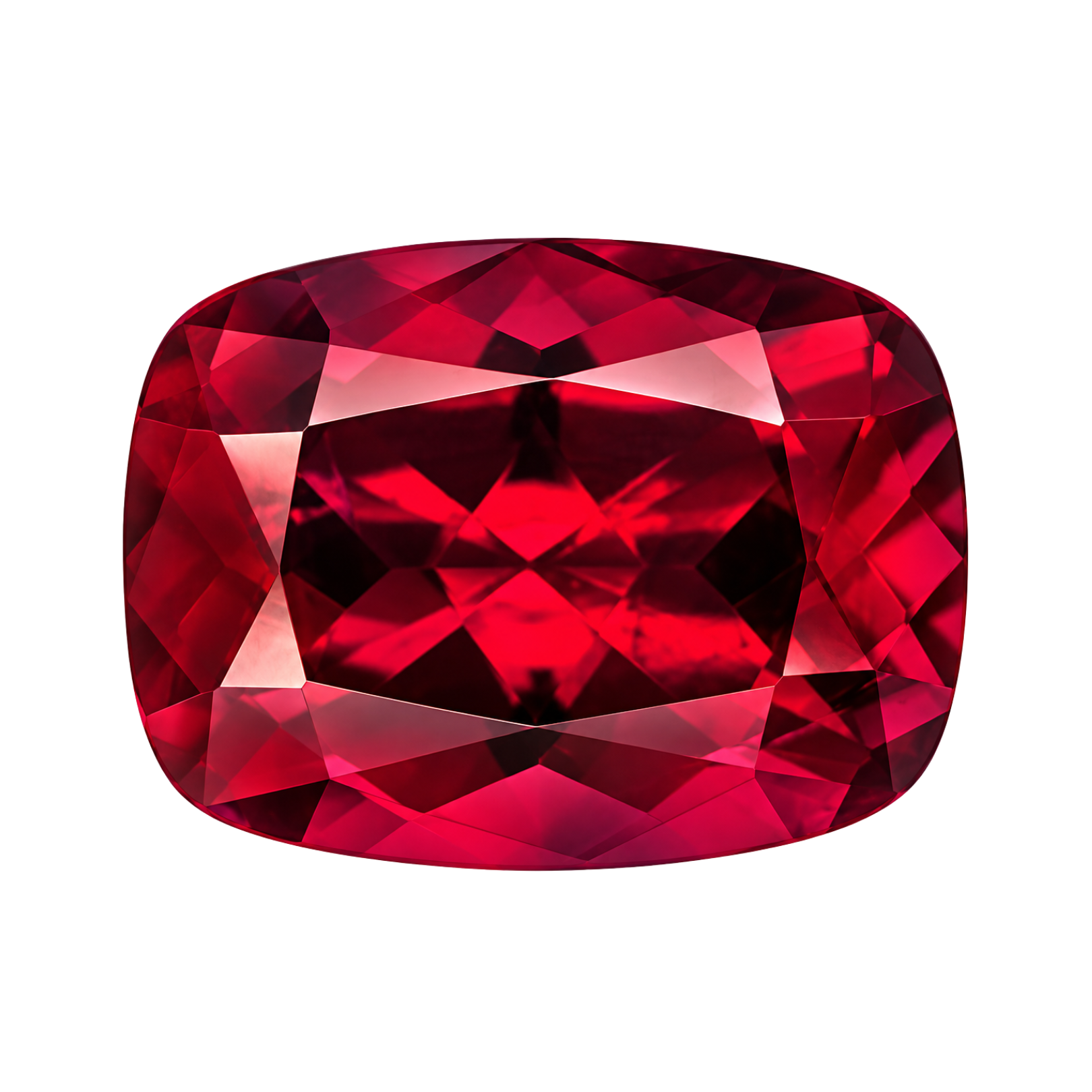
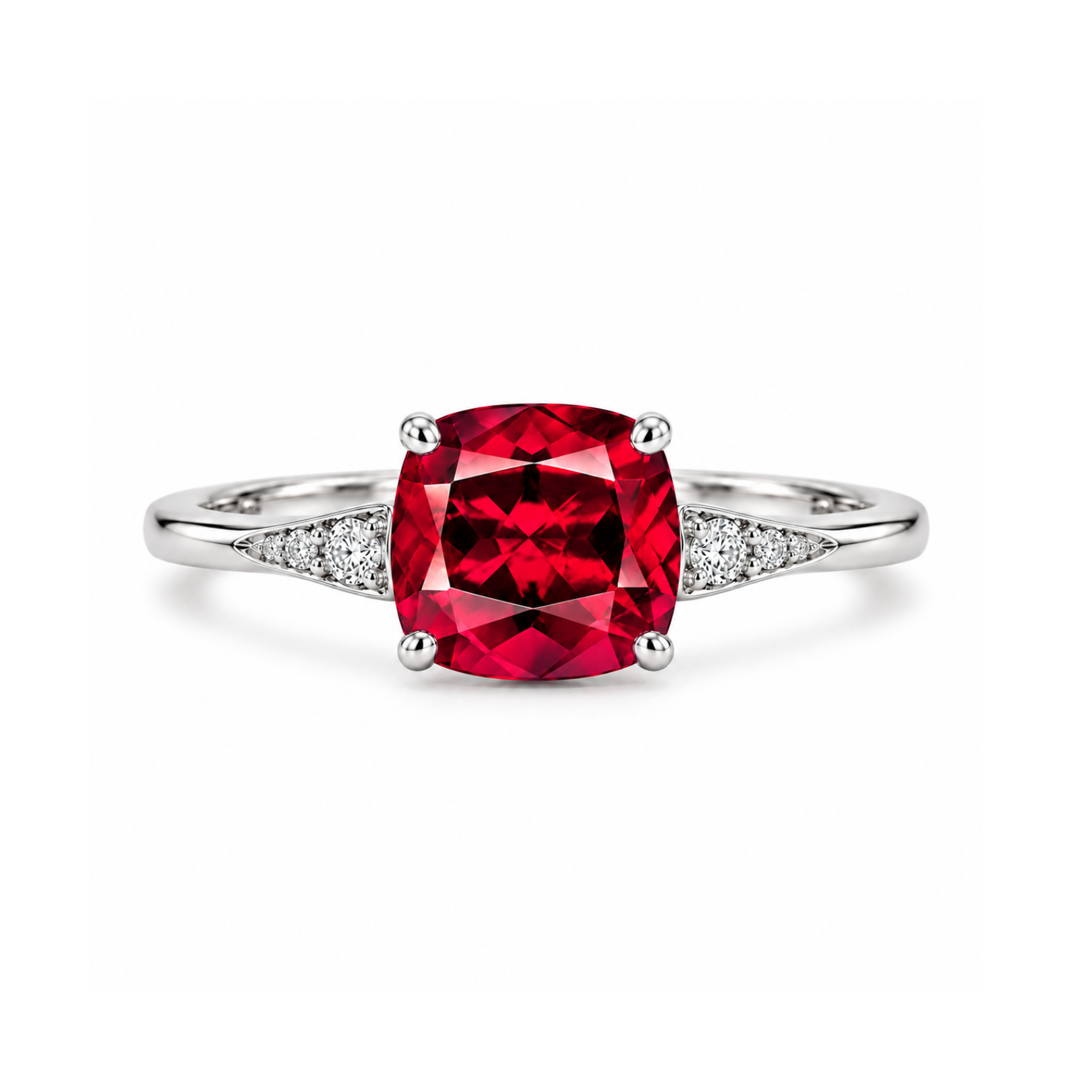
Rubellite is the captivating pink-to-red member of the tourmaline family, prized for its rich, expressive colour. Its finest examples can display intense hues reminiscent of ruby, while subtle variations range from vivid pink to deep purplish red. Rubellite often contains natural inclusions formed as the crystal grows, giving each gemstone individual character, while strong colour remains one of the most important qualities in exceptional stones.
African sources include Nigeria and Mozambique.
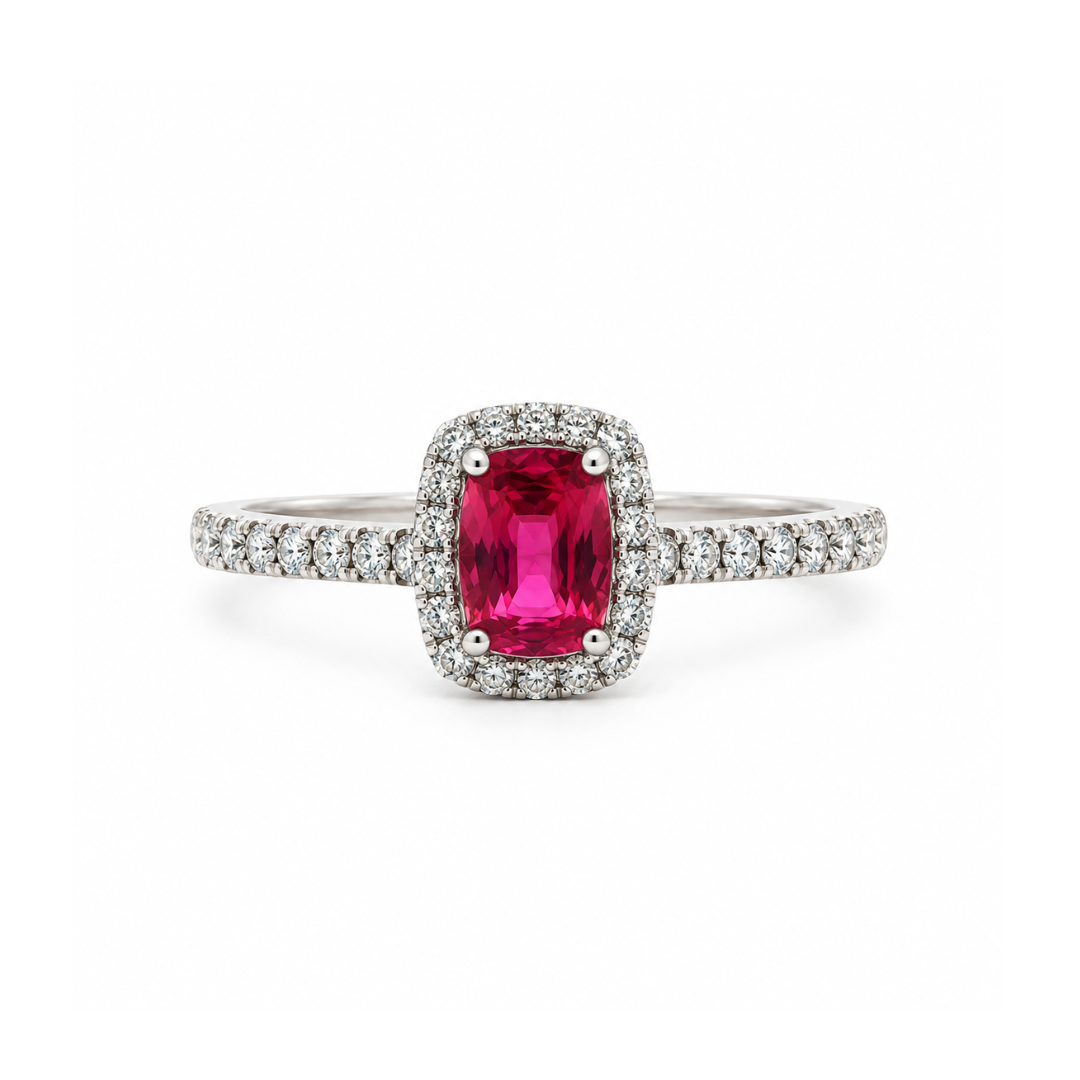
RUBY
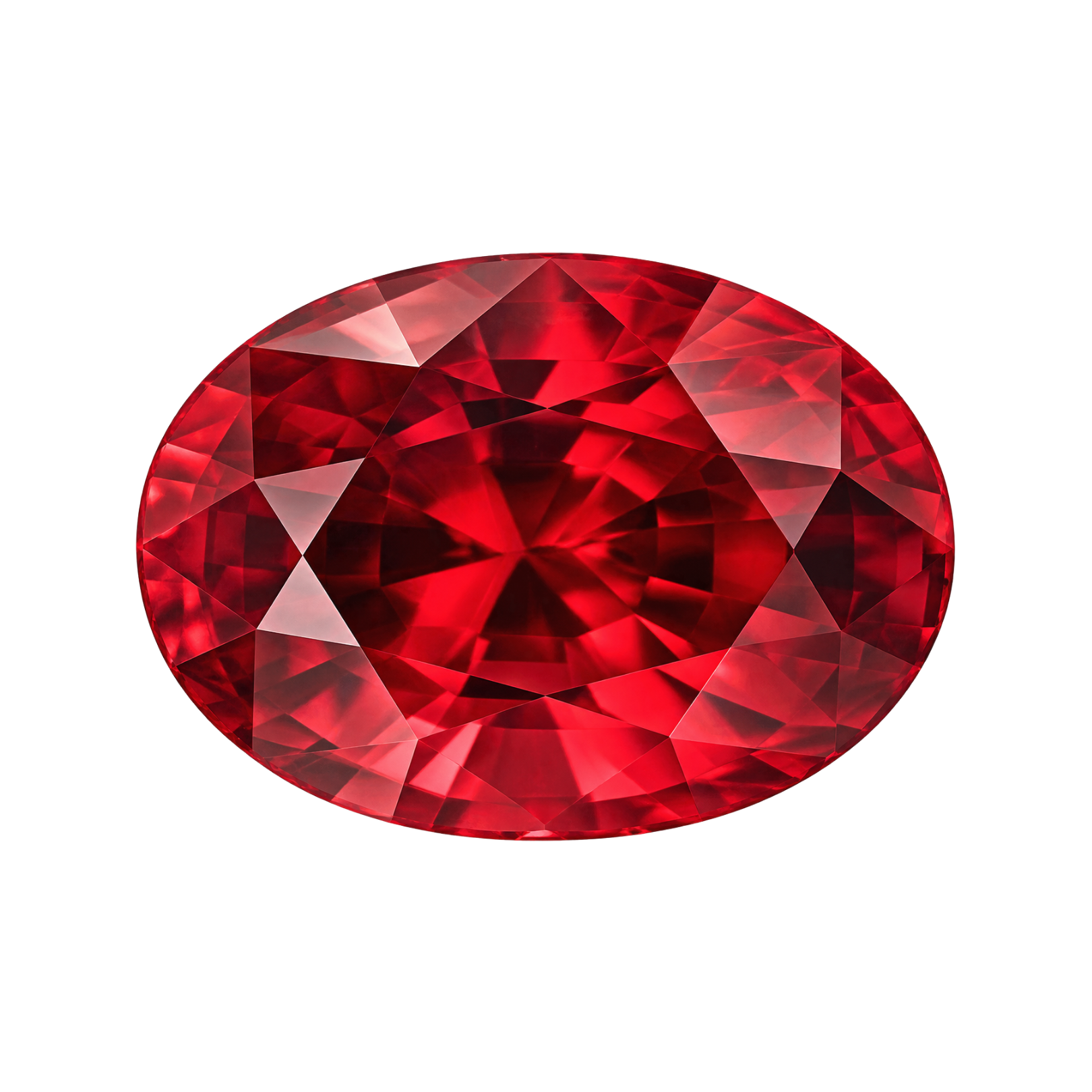
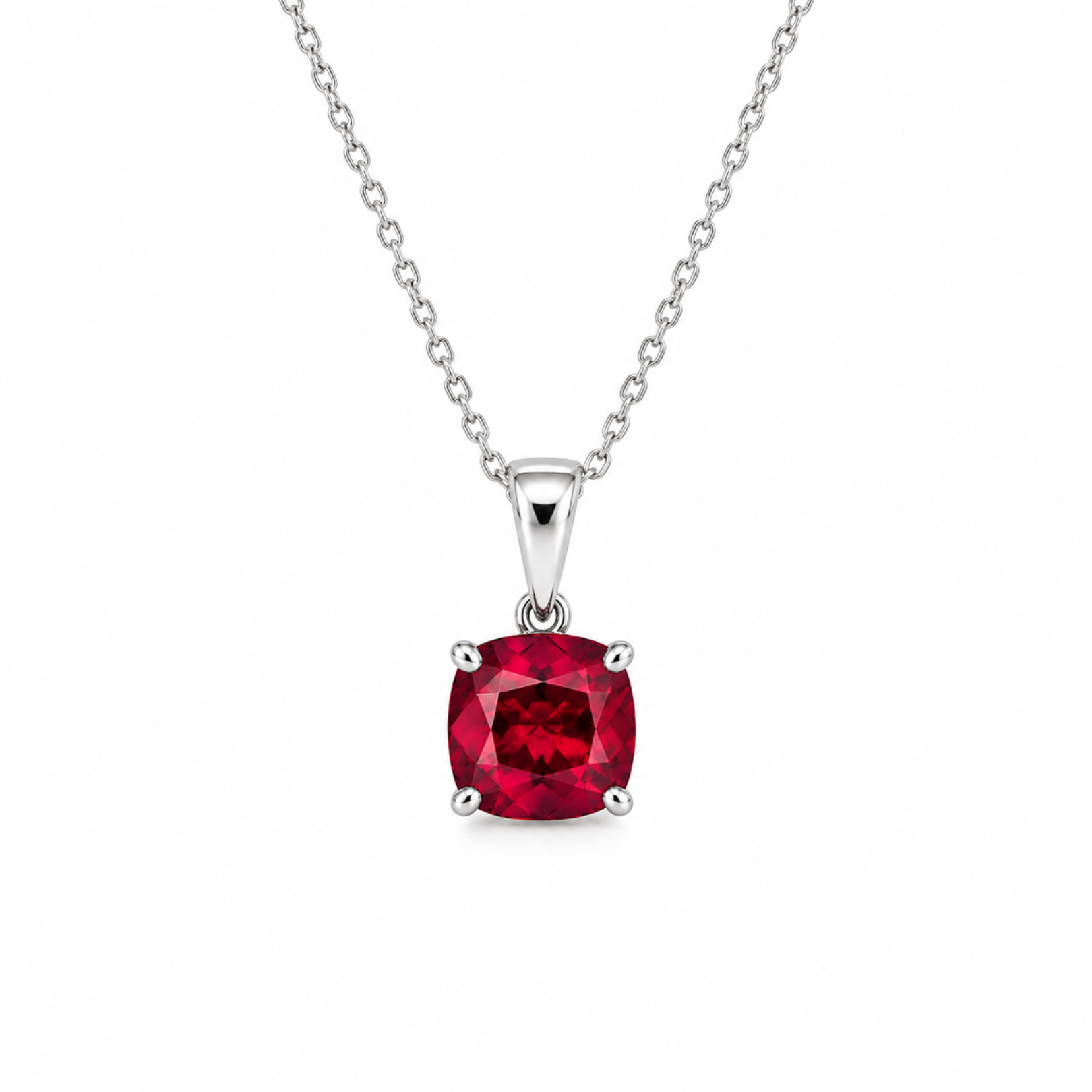
Ruby has been treasured for centuries and was known in Sanskrit as ratnaraj, meaning “king of gems.” A member of the same mineral family as sapphire, ruby owes its distinctive appearance to chromium. This trace element not only creates its red colour but can also cause fine rubies to fluoresce in sunlight, intensifying their natural glow and contributing to the captivating presence for which the gemstone is celebrated.
African sources include Mozambique, Tanzania and Madagascar.
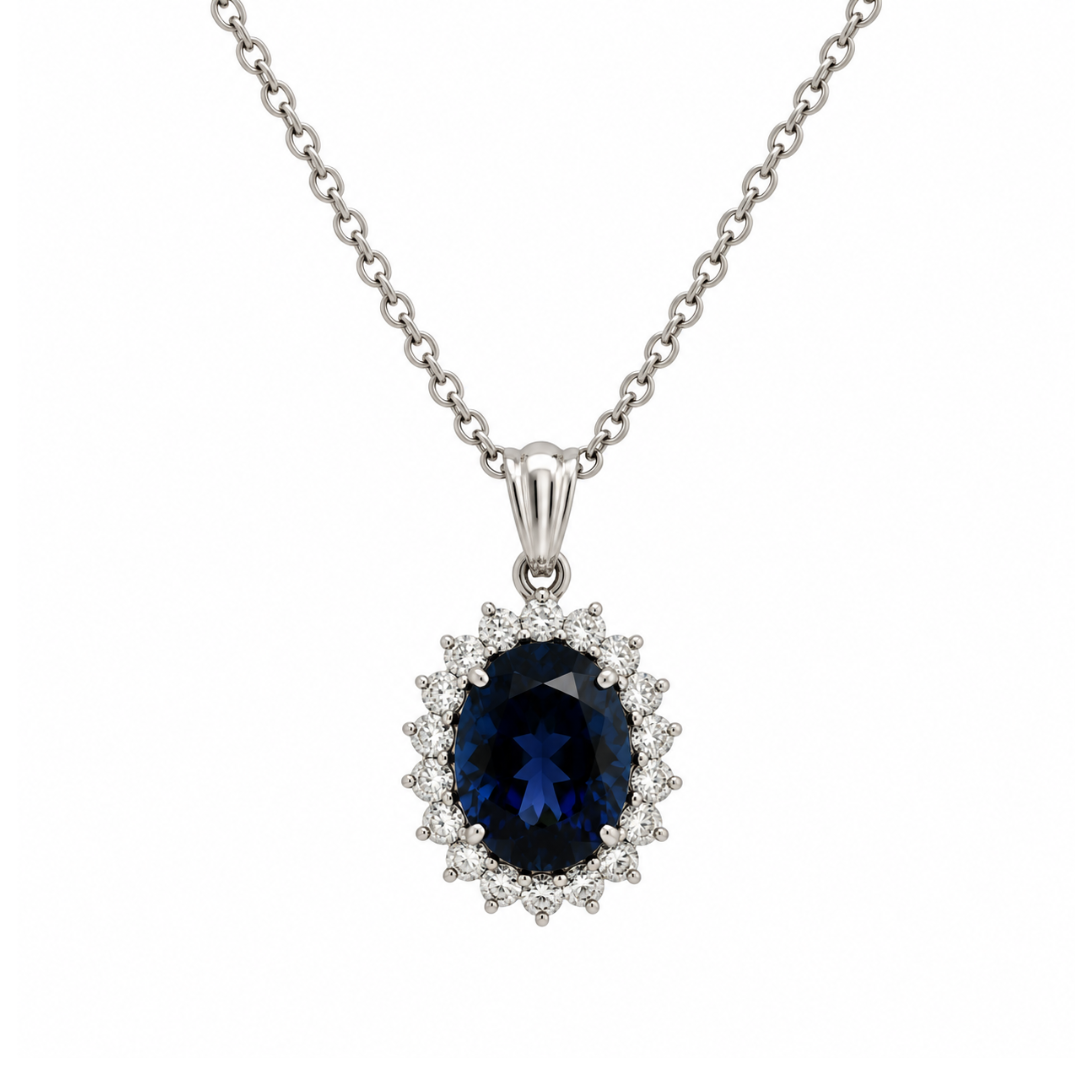
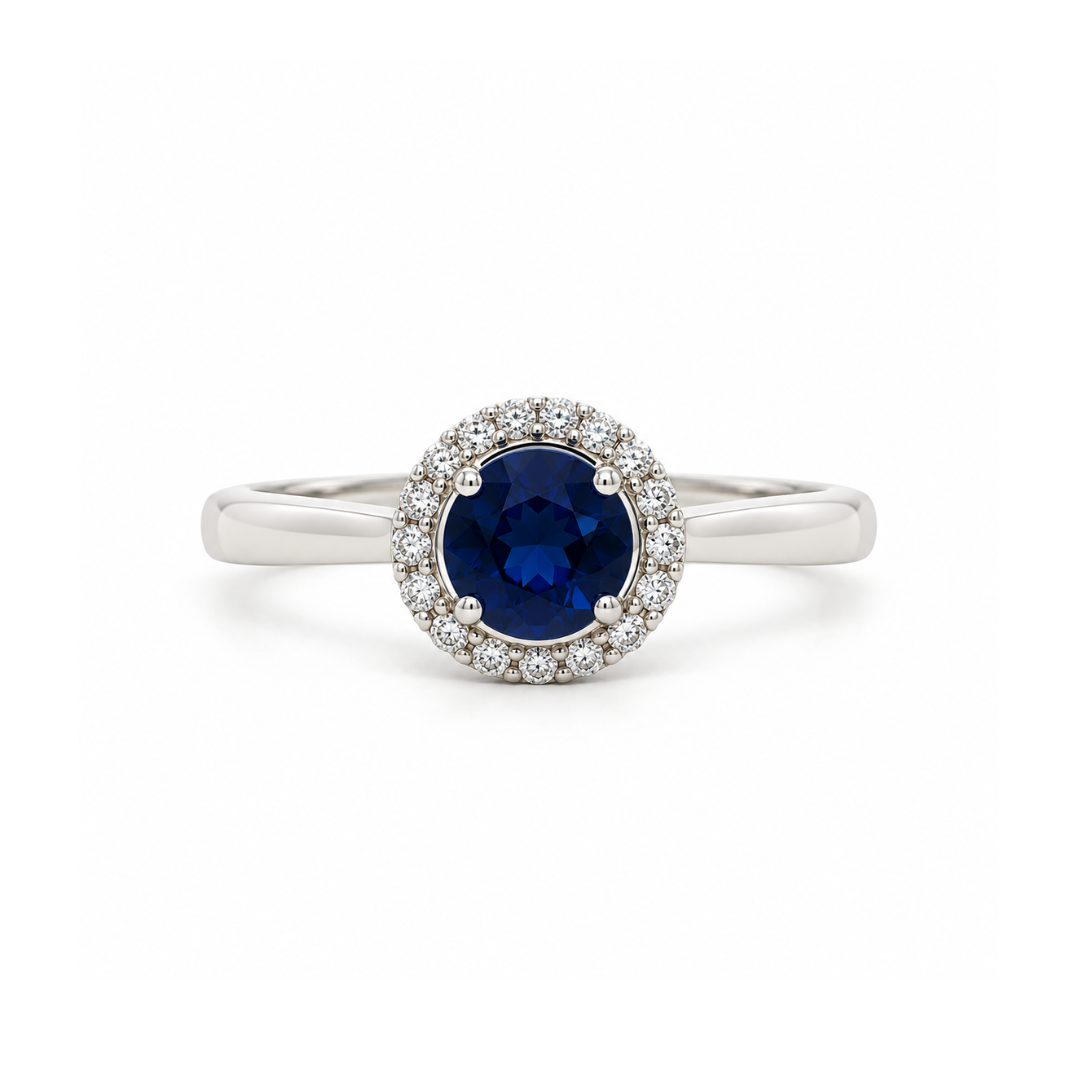
SAPPHIRE
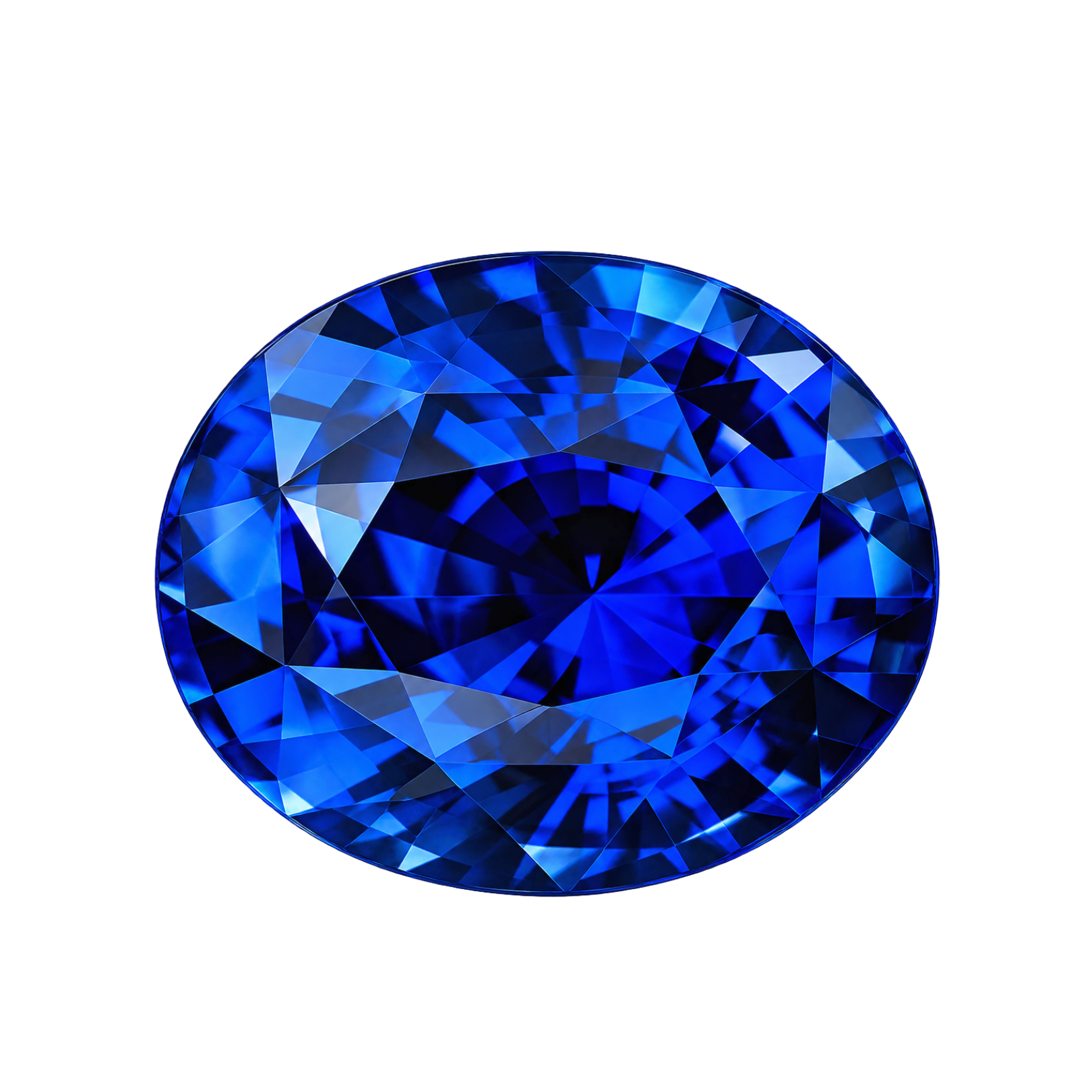
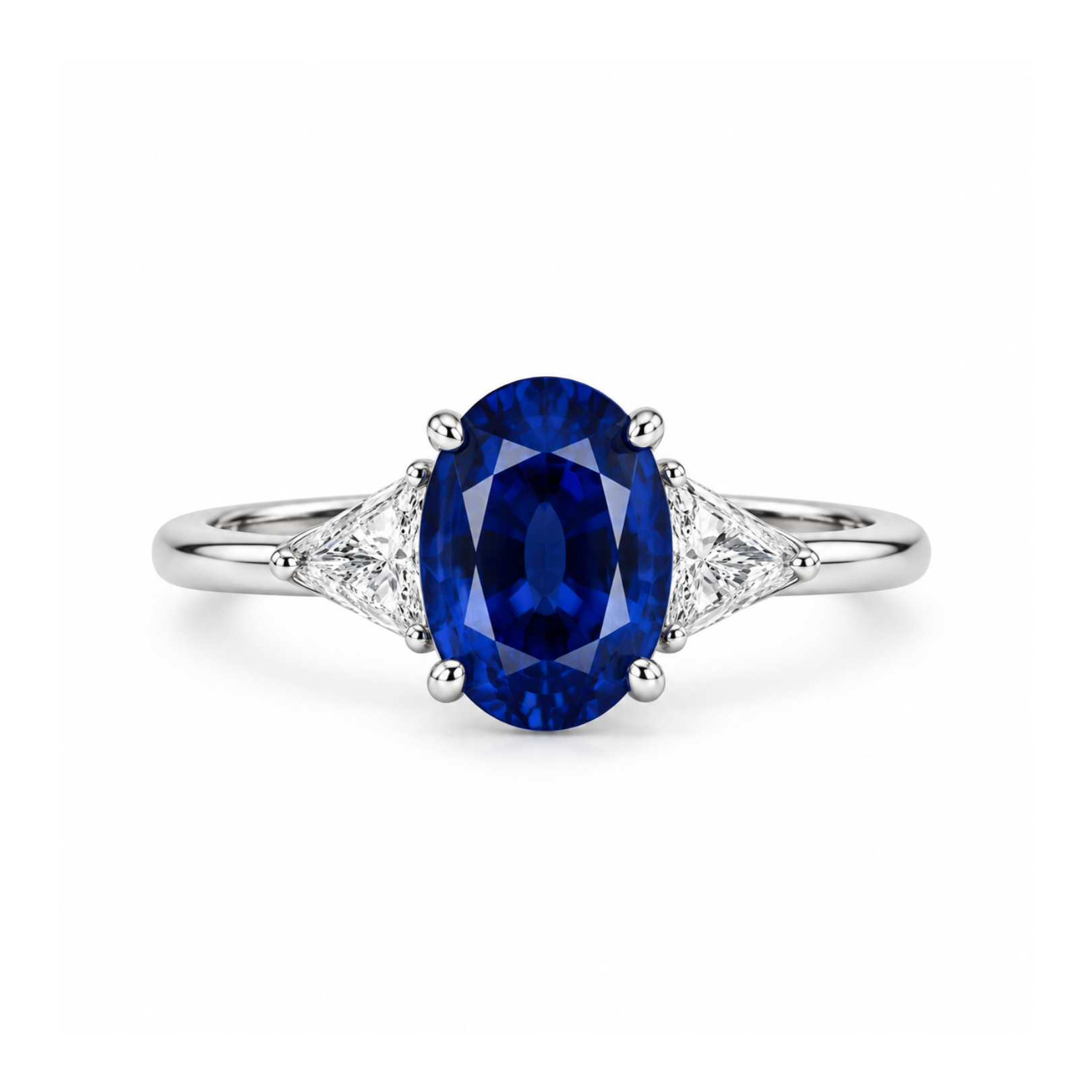
Sapphire is best known for its captivating blue, but this remarkable gemstone can occur in almost every colour except ruby red. Some rare sapphires even change colour under different lighting, while others contain fine rutile needles known as “silk”, which can create beautiful visual effects within the stone. From vivid blues to pinks, yellows and oranges, sapphire is one of nature’s most wonderfully diverse gemstones.
African sources include Madagascar, Tanzania, Nigeria and Ethiopia.
SPINEL
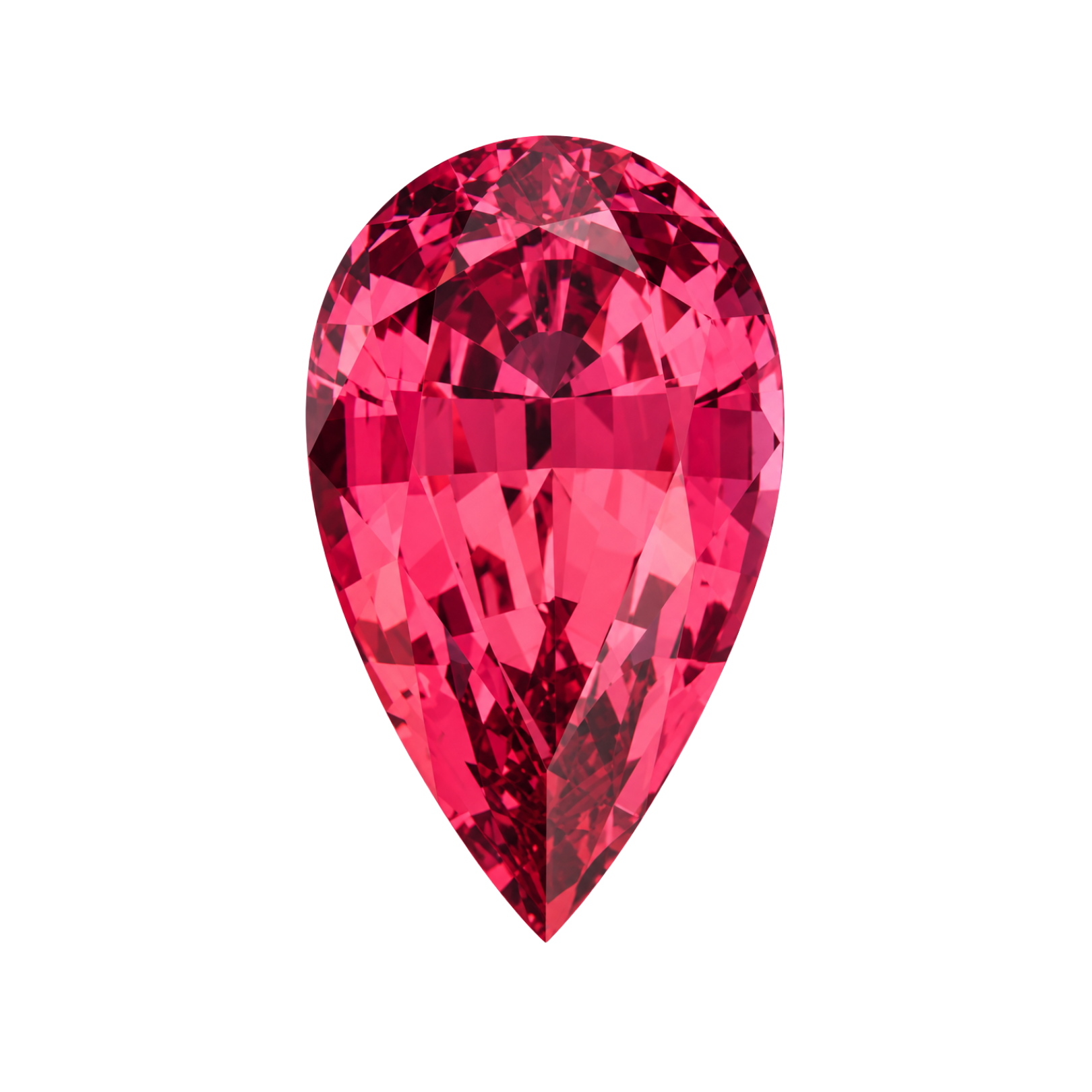
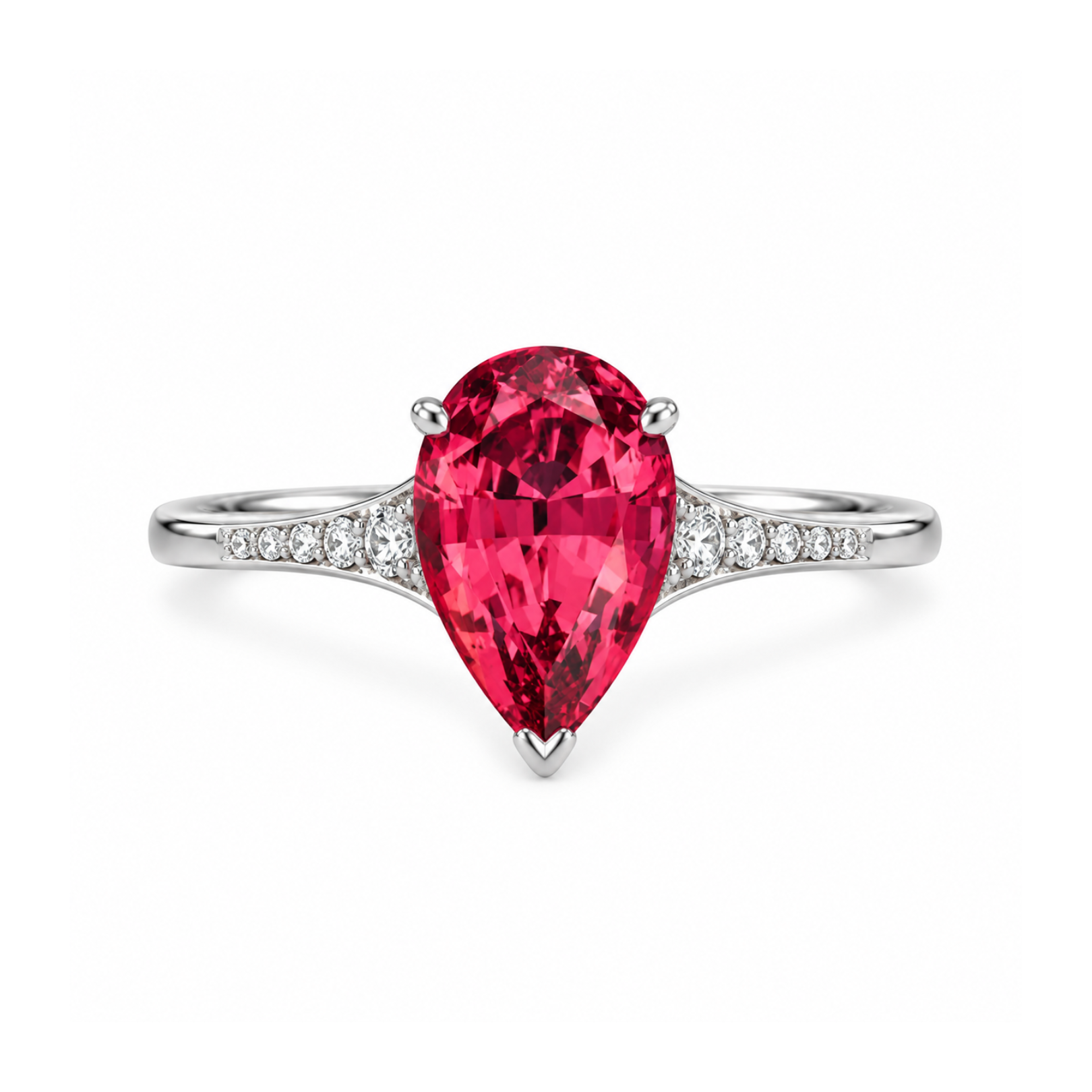
Spinel has one of the most fascinating identities in gemstone history. For centuries, magnificent red spinels were mistaken for rubies and treasured by kings and emperors, with some even becoming part of famous crown jewels. It was not until 1783 that spinel was recognised as a distinct mineral. Naturally occurring in a remarkable range of colours, fine spinel is prized for its brilliance, transparency and vibrant appearance.
African sources include Tanzania and Madagascar.
TANZANITE
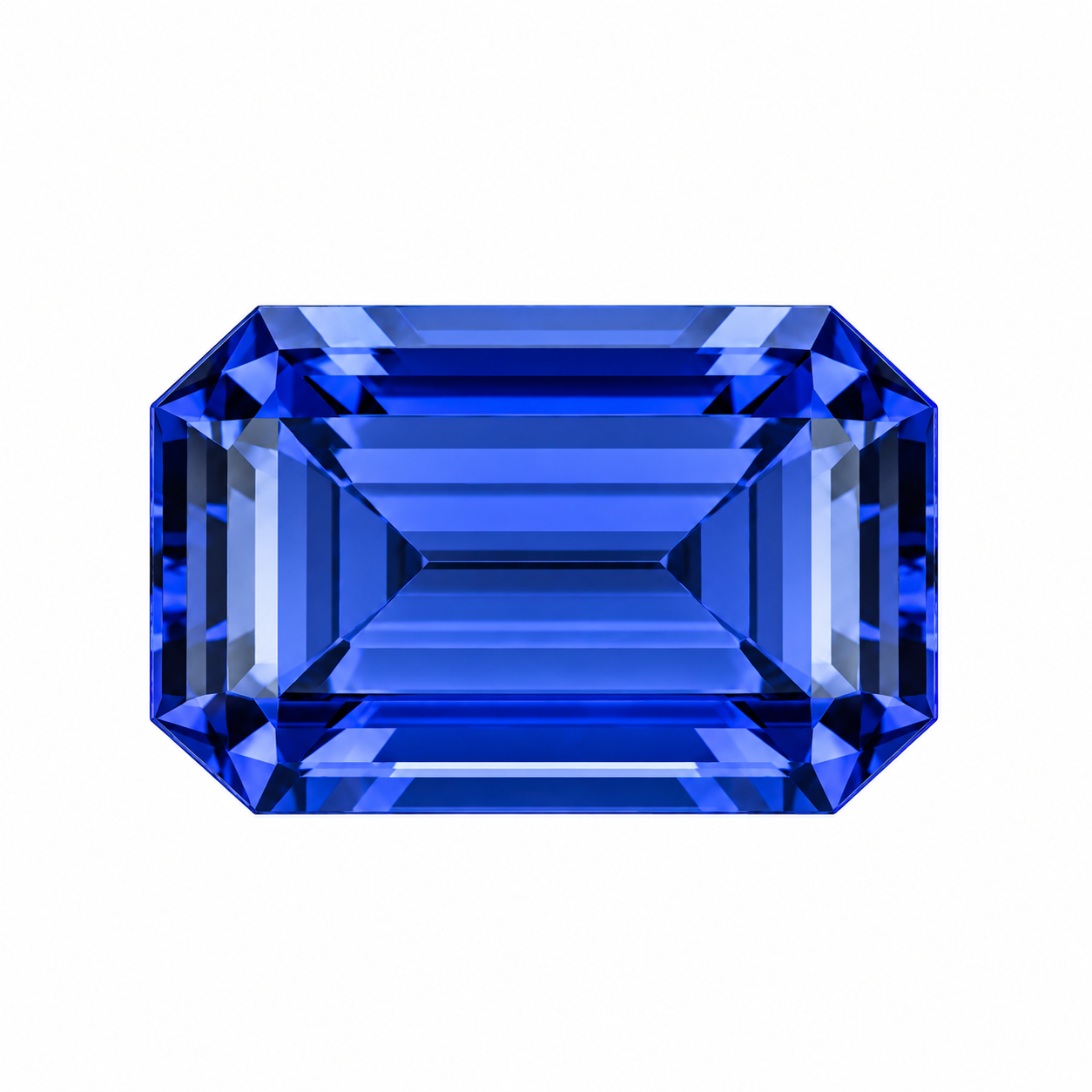
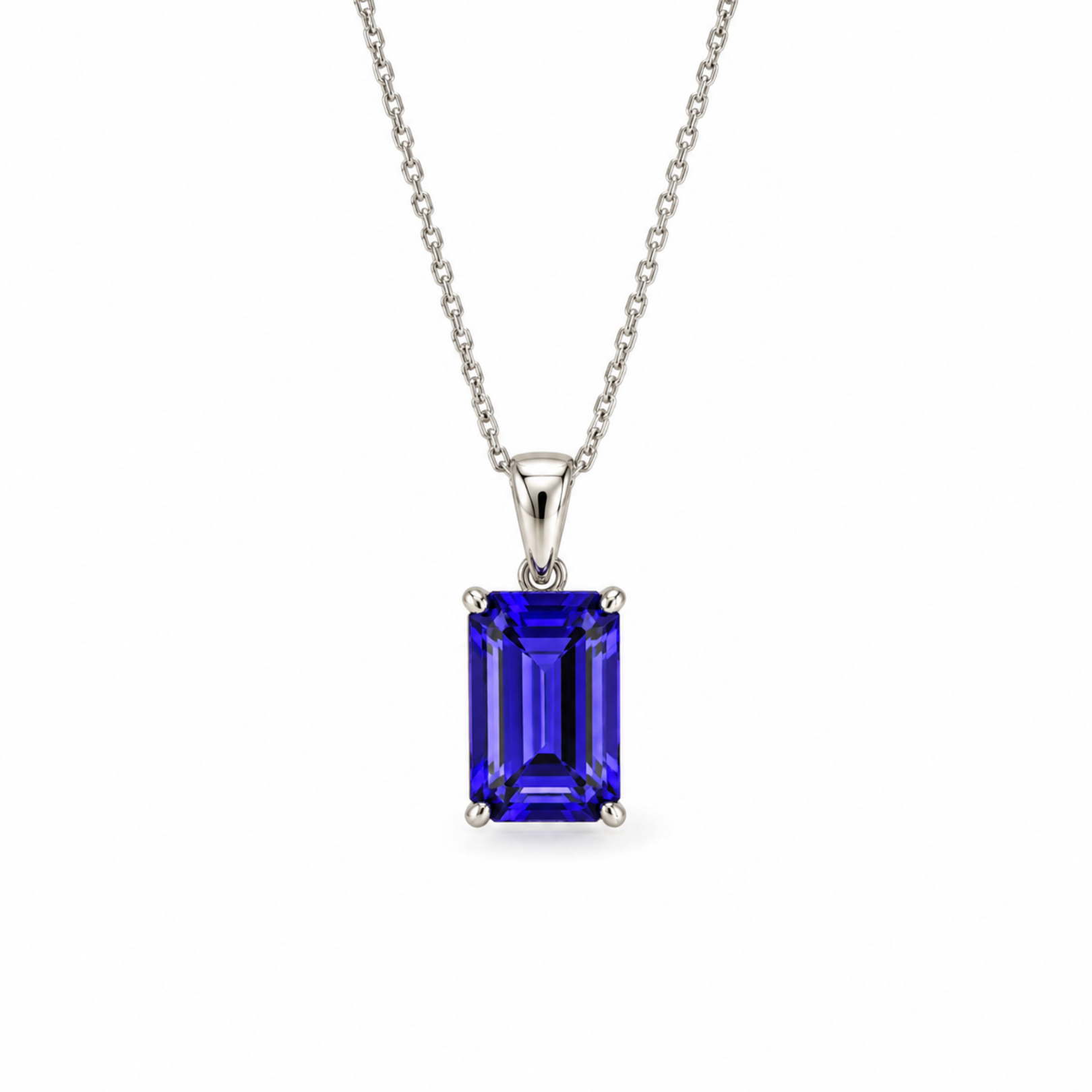
Tanzanite is one of the world’s most geographically rare gemstones, found commercially in only one place on Earth: the Merelani Hills of northern Tanzania. Discovered in 1967, it was named in honour of its country of origin. Tanzanite is also pleochroic, meaning a single crystal can reveal different shades of blue, violet and purple when viewed from different directions, giving the gemstone its remarkable character.
African source: Tanzania.
TOPAZ
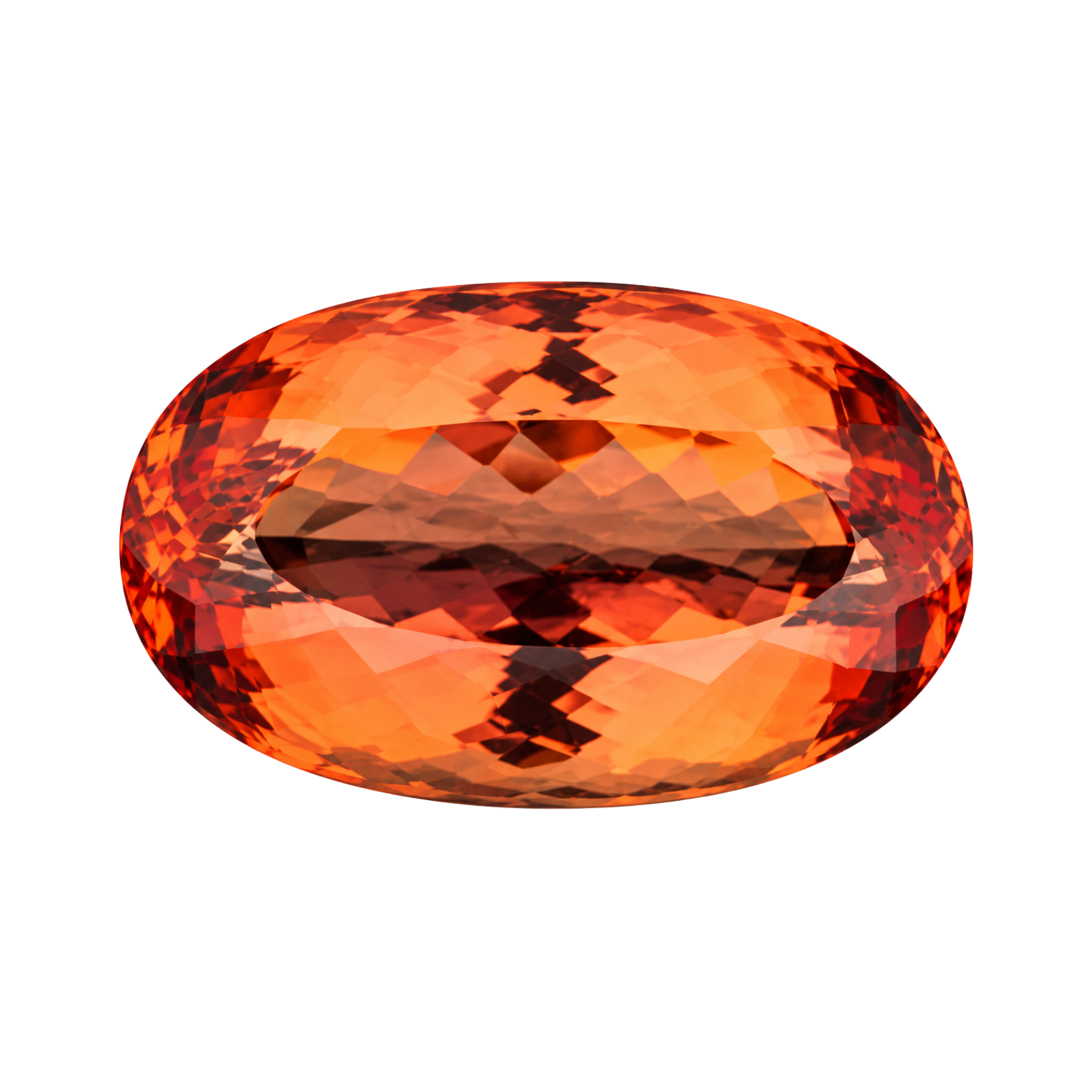
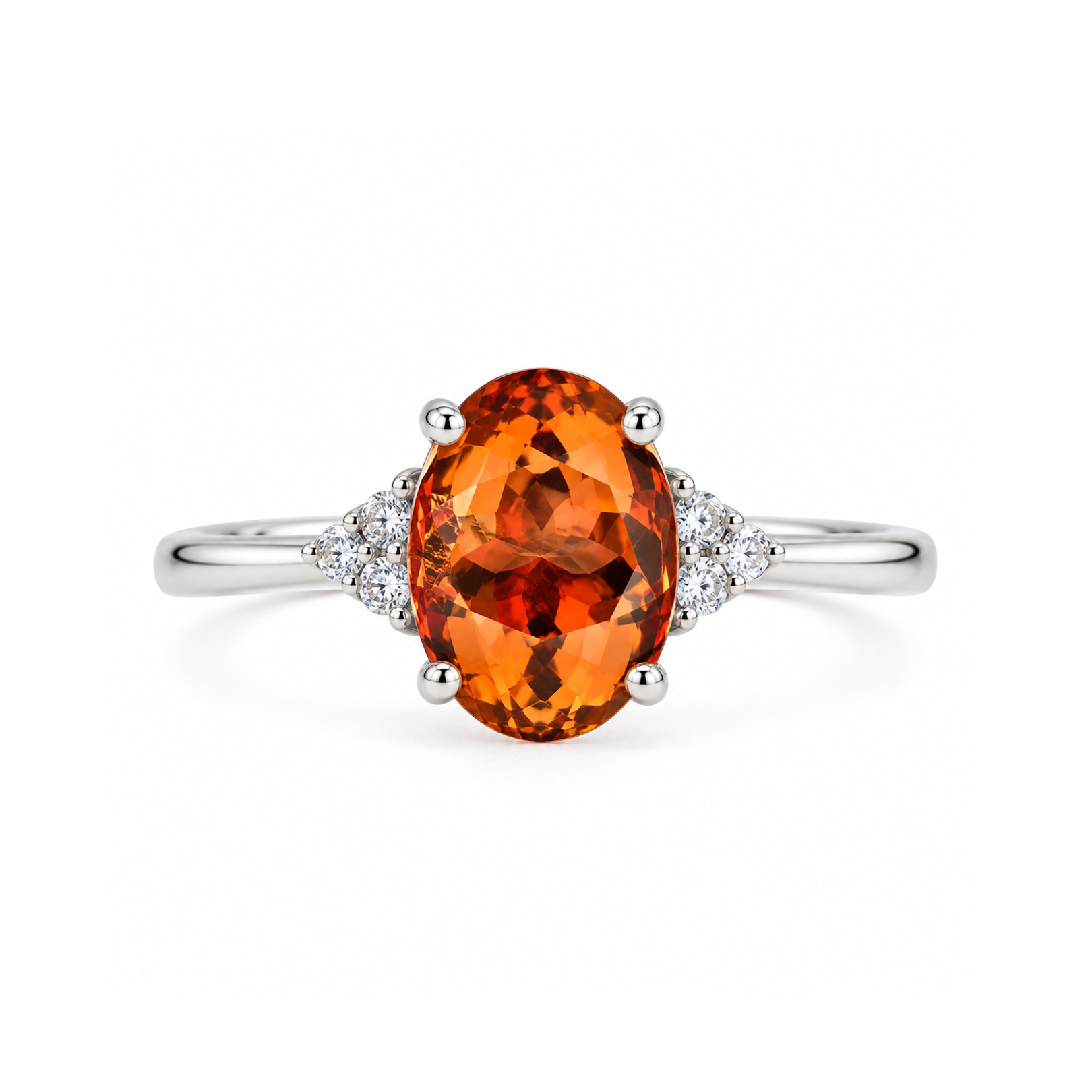
Topaz is a remarkably diverse gemstone, occurring naturally in an impressive spectrum of colours. It can also form in exceptionally large crystals, including transparent specimens weighing hundreds of kilograms. Topaz is pleochroic, meaning different colours may appear when the crystal is viewed from different directions. Historically admired for its brilliance and lustre, its finest varieties include the highly prized warm orange-to-red hues of Imperial topaz.
African sources include Nigeria, Namibia and Zimbabwe.
TOURMALINE
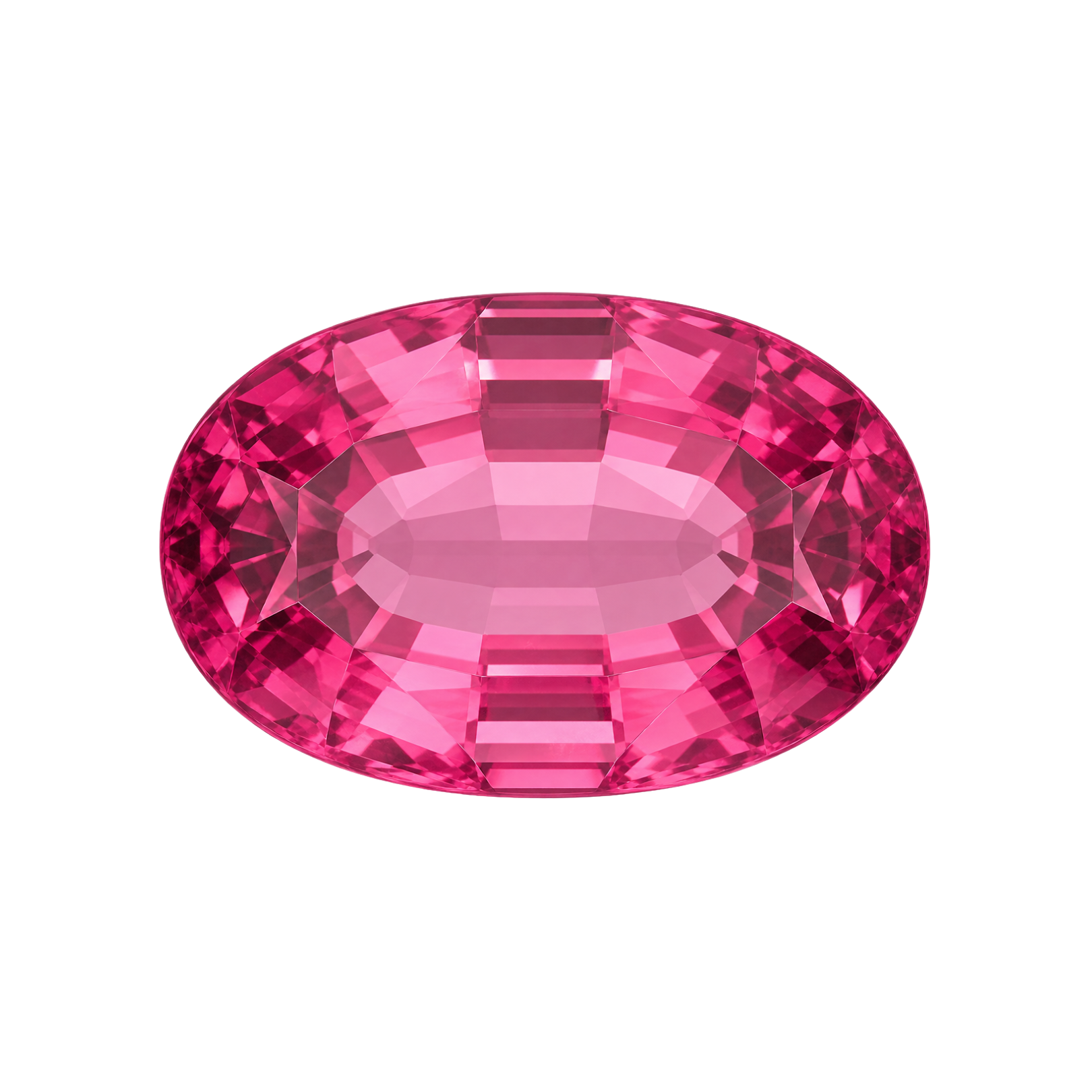
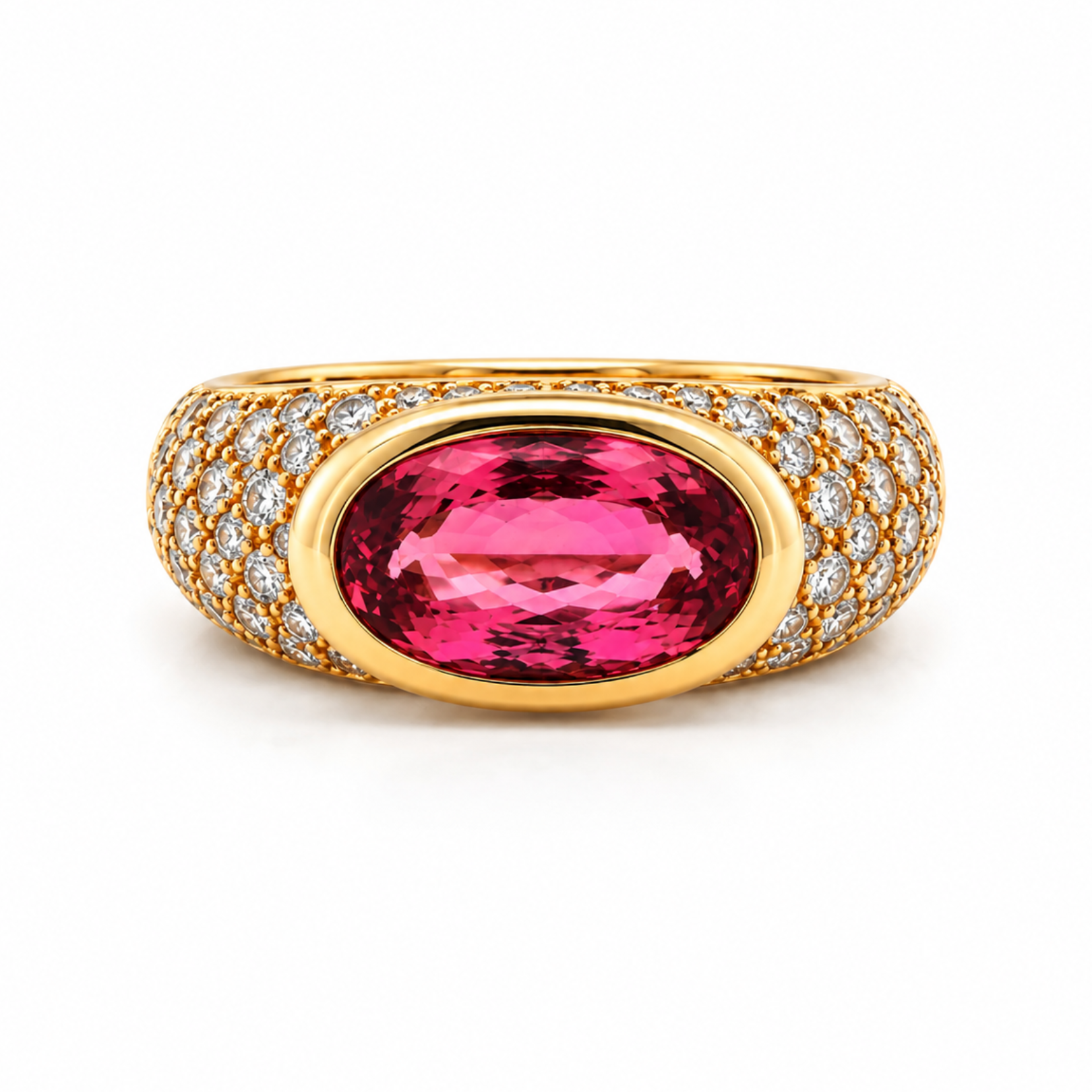
Tourmaline is one of nature’s most colourful gemstone families, occurring in virtually every colour of the spectrum. Some crystals can even display several colours within a single stone, including the distinctive pink-and-green “watermelon” variety. Tourmaline also has an unusual natural property: it can become electrically charged when heated or compressed, a fascinating characteristic that sets it apart from many other gemstones.
African sources include Nigeria, Mozambique, Zambia and Namibia.
TSAVORITE
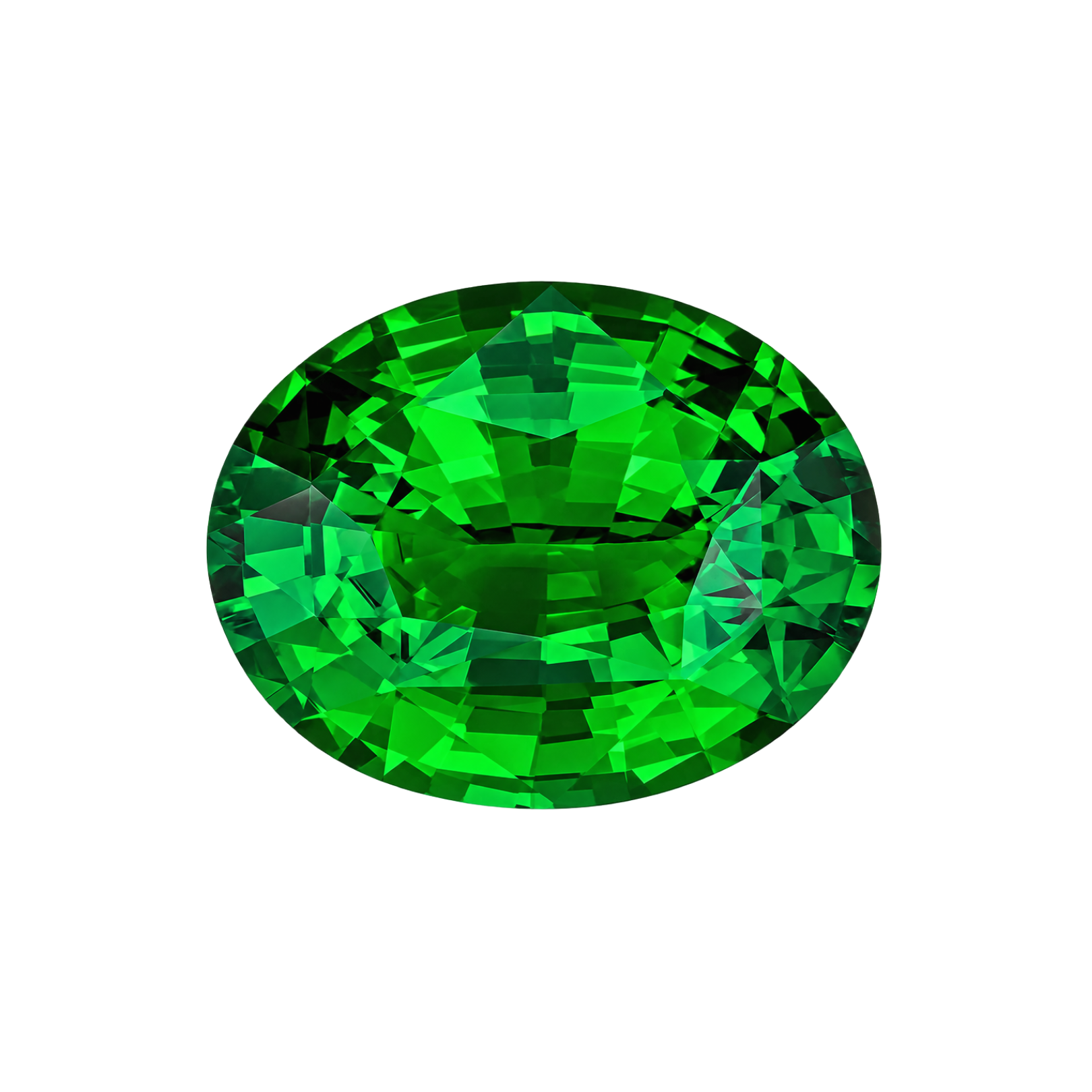
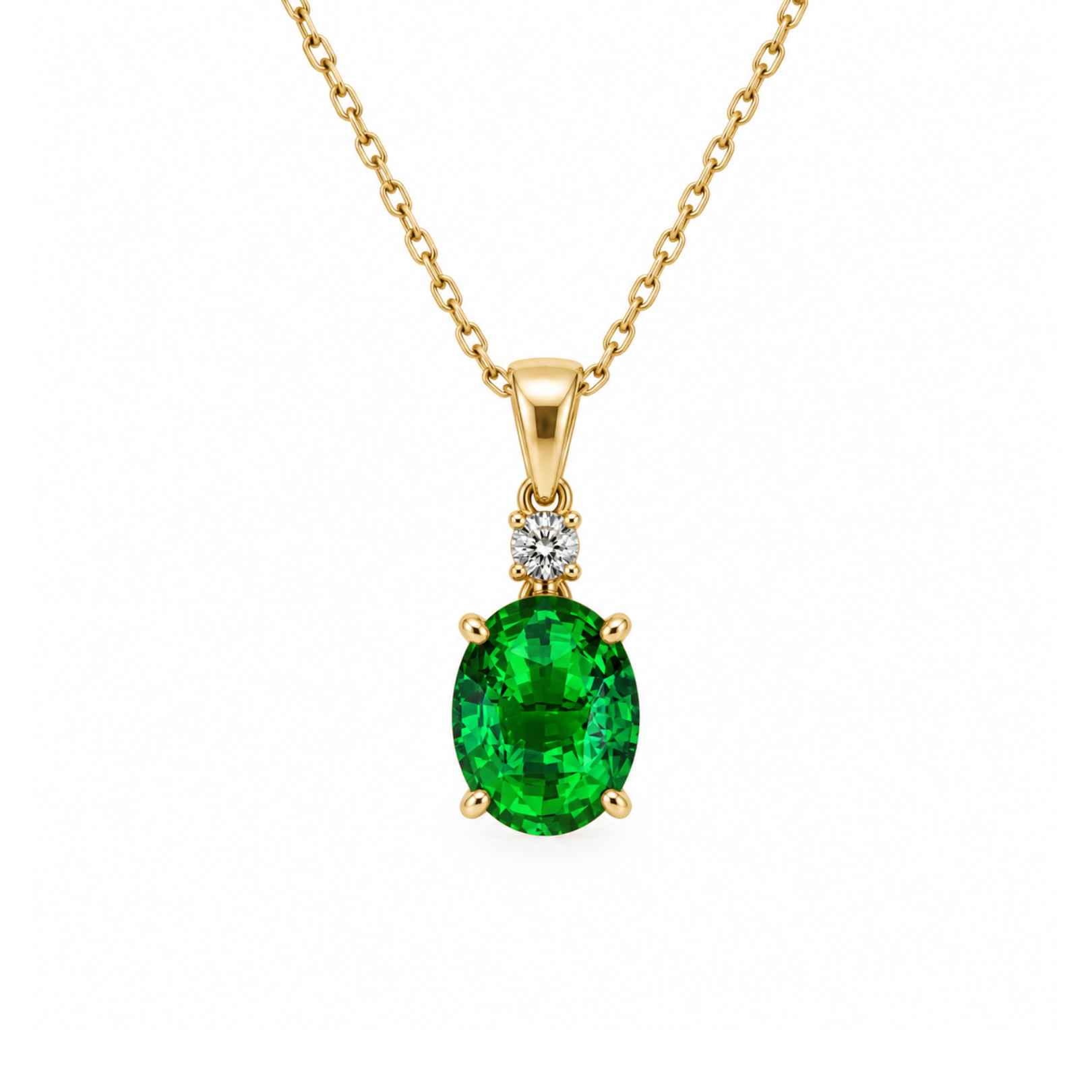
Tsavorite is a rare green variety of grossular garnet with a distinctly African story. First discovered in Tanzania in 1967 by geologist Campbell Bridges, it was later found near Kenya’s Tsavo National Park, from which its name was inspired. Unlike many green gemstones, tsavorite is naturally vibrant and highly brilliant, with its rich green colour created by trace amounts of vanadium and chromium.
African sources include Kenya and Tanzania.
ZIRCON
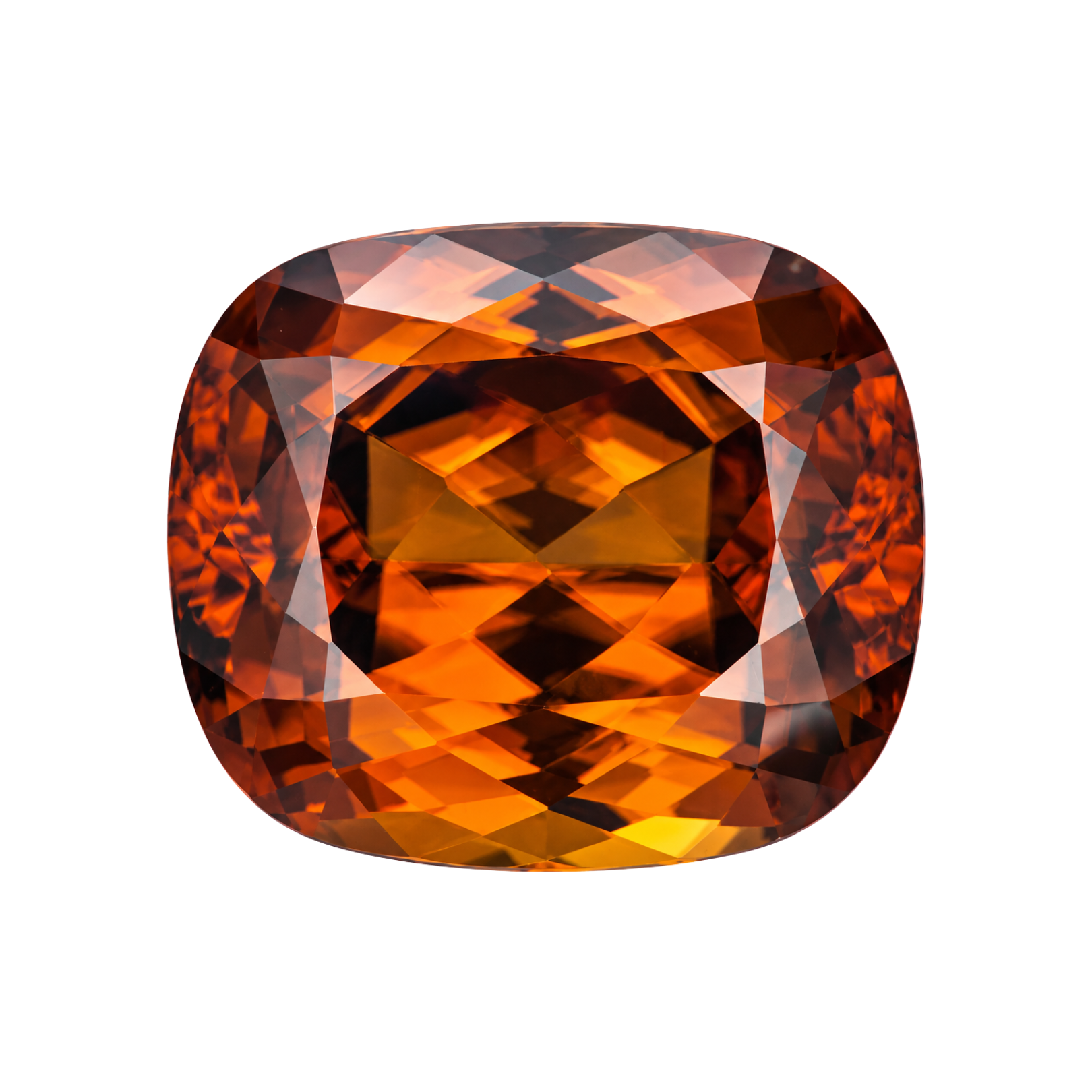
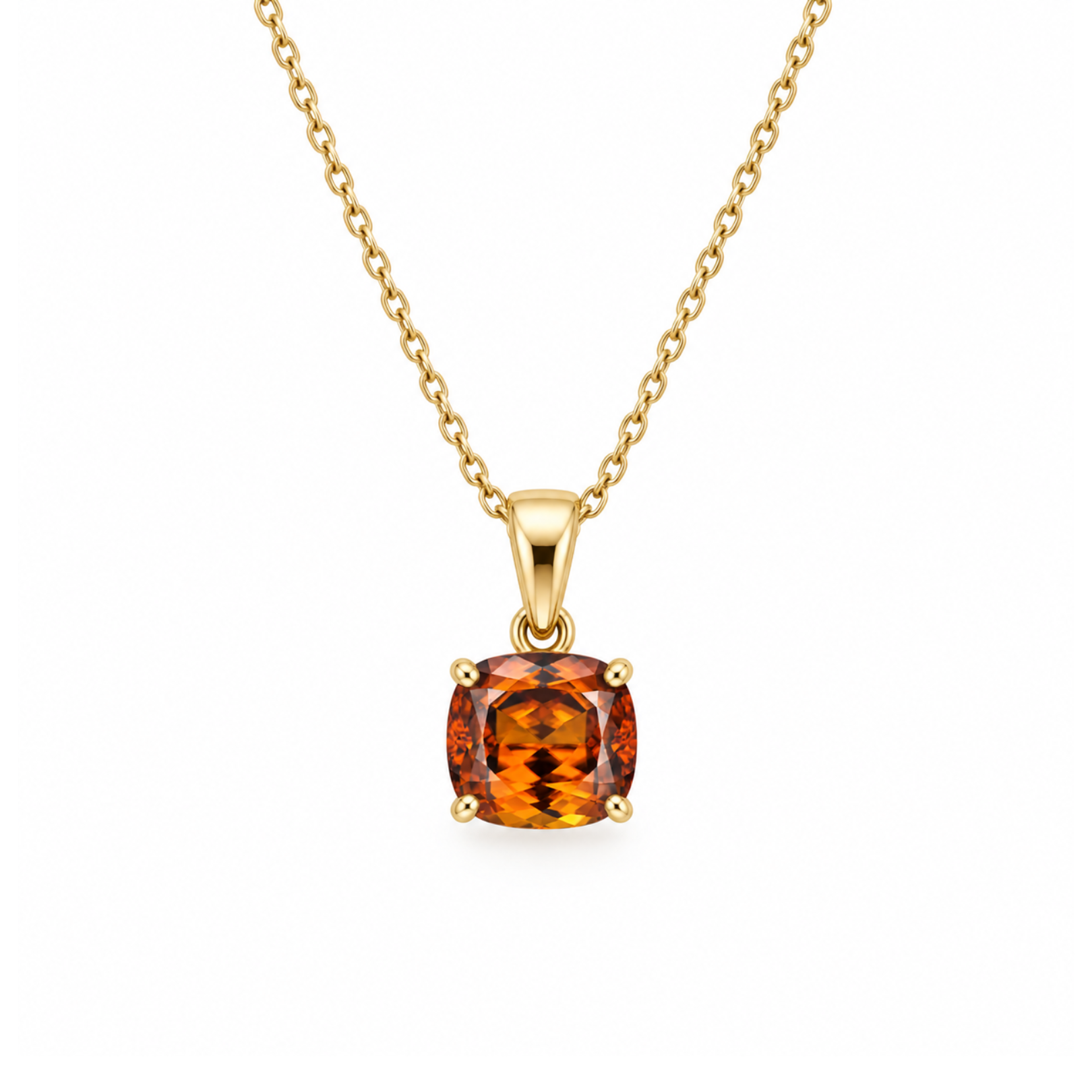
Zircon is one of Earth’s most ancient natural treasures, with crystals discovered in Australia dating back an extraordinary 4.4 billion years. Prized for its exceptional brilliance and flashes of rainbow-coloured “fire”, colourless zircon was historically mistaken for diamond. Despite the similar name, natural zircon is entirely different from cubic zirconia, with its remarkable beauty and geological history created entirely by nature.
African sources include Tanzania and Mozambique.